
Orophea uniflora
Orophea uniflora
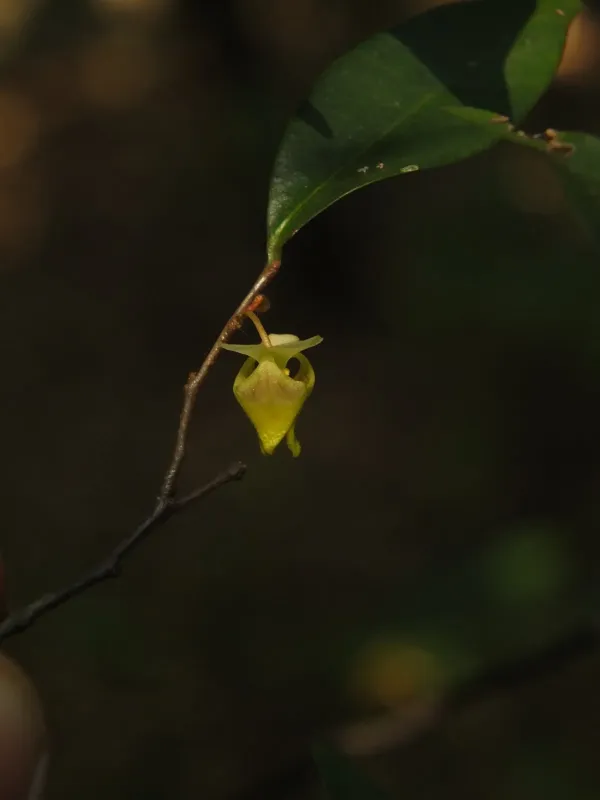
Description
Growing requirements
Orophea uniflora is a distinctive botanical species belonging to the Annonaceae family. Naturally occurring in the tropical ecosystems of Southeast Asia, this plant species typically occupies the understory layer, where it benefits from a protected, humid environment.
The cultivation of this species requires meticulous attention to microclimate. It thrives under consistent temperatures and high humidity, which are essential to prevent leaf desiccation and promote continuous physiological growth throughout the year.
Regarding soil requirements, the plant necessitates well-draining, nutrient-rich soil that mimics forest floor conditions. A mixture high in organic matter is preferred, ensuring that the roots have enough aeration while remaining consistently moist but never waterlogged.
As a shade-tolerant plant, Orophea uniflora should be protected from intense, direct solar radiation. Diffused or filtered light is the optimal lighting condition, which allows the plant to flourish without the risk of thermal stress or physiological dehydration.
The agricultural potential for this species is largely found in pharmacological research and specialized botanical nurseries. Ongoing studies focus on the chemical composition of its tissues, which may hold value in medical applications, while its ornamental structure makes it an interesting subject for tropical garden design.