
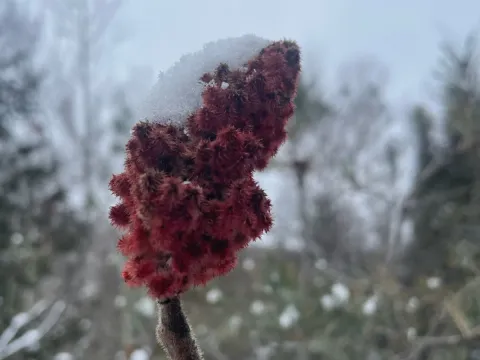
Sumac
Rhus L.
Sumac (Rhus L.) is a member of the Anacardiaceae family, encompassing a variety of shrubs and small trees known for their resilience and decorative value.
What the section contains


Sumac
The plant thrives in well-drained, nutrient-poor soils, making it an excellent candidate for stabilizing soil on slopes and preventing erosion in challenging terrains.
Sumac requires full sun exposure to maintain its vigor and produce high-quality fruits, although some species exhibit significant cold tolerance in temperate regions.
Soil drainage is critical; the plant is extremely intolerant to waterlogged conditions, which significantly increases the risk of root rot and total plantation failure.
Beyond its culinary value, sumac is traditionally harvested for its high tannin content, which is essential for leather tanning and various medicinal preparations.
The most significant pathological threat to sumac is verticillium wilt, a fungal disease that obstructs the plant's vascular system, causing systemic decline.
Leaf spot diseases are also common in environments with poor air circulation, necessitating regular pruning and canopy management to maintain plant health.
Insects such as aphids and leaf beetles can cause localized damage, particularly to younger shrubs, impacting their overall growth rate and aesthetic quality.
Proactive management involves removing infected debris and avoiding overhead irrigation, which minimizes the spread of fungal spores in the orchard.
Monitoring the plantation during the early vegetative stage is vital for detecting pest outbreaks and applying targeted interventions before they become widespread.
Sumac fruits are harvested when they reach full maturity, indicated by a deep crimson color and a distinct, sharp acidic flavor profile.
Harvesters should cut the fruit clusters carefully and move them quickly to a drying facility to maintain color and essential flavor compounds.
The drying process must occur in a well-ventilated area protected from direct sun exposure, which helps prevent oxidation and mold development.
Once dried, the drupes are separated from the stems and processed through mechanical threshing to separate the edible components from the inner seeds.
Final product storage is critical; containers must be moisture-proof to preserve the spice's quality and shelf life throughout the marketing phase.