
Spondias mombin
Spondias mombin L.
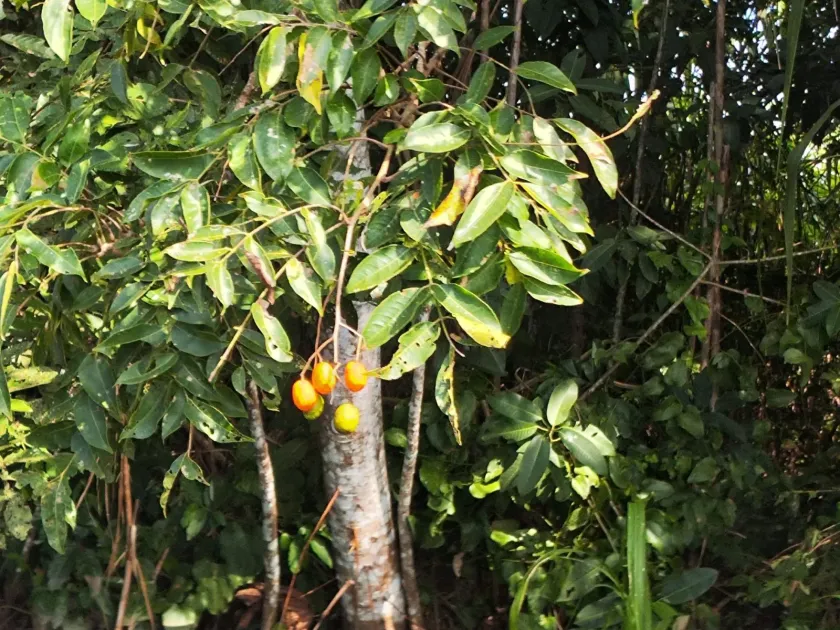
Description
Growing requirements
Spondias mombin (Spondias mombin L.), commonly known as the hog plum or yellow mombin, is a deciduous tree species belonging to the Anacardiaceae family. It is widely distributed across tropical regions of the Americas, Africa, and parts of Asia.
This species thrives in humid tropical climates and exhibits significant versatility regarding soil types. While it prefers deep, well-drained fertile soils, it can successfully establish itself on various substrates, including heavy clays and rocky terrains, provided drainage is adequate.
Ideal temperatures for active growth range from 20°C to 30°C. The tree is notably drought-tolerant, capable of surviving seasonal dry spells; however, reliable fruit production is strongly correlated with consistent rainfall during the vegetative and flowering stages.
The plant requires high levels of solar radiation to maintain optimal photosynthetic activity. Lack of adequate sunlight often leads to stunted growth, sparse canopy development, and reduced flower initiation, which directly impacts yield potential.
Standard agronomic practices for this crop involve formative pruning to manage tree height and structural integrity. Managing the canopy density ensures better air circulation, which is vital for preventing the accumulation of moisture and related fungal issues.
Yield
The fruit of Spondias mombin is a small, ovoid drupe with a yellow or orange skin when ripe. The pulp is succulent, aromatic, and possesses a characteristic tart-sweet flavor, serving as an excellent source of Vitamin C and minerals like calcium and iron.
Commercially, the fruits are utilized in various forms, including fresh consumption, juices, nectars, preserves, and jellies. Despite the large, fibrous, and hard seed, the flavorful flesh is highly prized in local markets.
An established mature tree can produce a substantial volume of fruit annually, provided it receives proper care. Yield figures can be significant in managed orchards compared to wild stands, making it an economically viable crop for tropical smallholders.
Beyond its fruit, the timber of Spondias mombin is valued for its low density and ease of processing. It is frequently used for manufacturing crates, matches, and small household items, contributing to the tree’s overall agricultural utility.
The bark and leaves are also notable for their medicinal properties. Infusions and extracts are frequently employed in traditional medicine systems to treat digestive issues and inflammatory conditions, reflecting the tree's multifaceted role.
Main diseases and pests
Spondias mombin is susceptible to a range of pests, with aphids being the most common threat to young leaves and tender shoots. Regular scouting programs are essential to detect infestations before they reach economic damage thresholds.
Root rot caused by stagnant water is a primary physiological threat to the plantation's health. Ensuring correct site selection with natural slope or engineered drainage is the most effective preventative strategy against such moisture-related diseases.
Anthracnose, caused by fungi, can severely impact fruit quality during rainy seasons. Integrated pest management (IPM) practices, including the judicious use of copper-based fungicides, are recommended for maintaining orchard health during periods of high humidity.
Vertebrate pests, including birds and small rodents, often consume or damage ripening fruits. The use of netting or mechanical deterrents is often necessary in areas with high bird populations to prevent significant harvest losses.
Root-knot nematodes can weaken young saplings, impeding root development. Soil testing before planting is highly recommended to identify potential nematode populations, allowing for soil solarization or other pre-planting treatments if necessary.
Harvesting
Harvesting Spondias mombin is typically performed when the fruit reaches physiological maturity, marked by a color shift to a vibrant yellow and a softening of the epicarp. Manual picking is the standard method to prevent bruising.
Careful handling is required during the harvest, as the ripe fruit is highly perishable and susceptible to mechanical damage. Packing the fruit in shallow, well-ventilated containers is essential to reduce the risk of rot during transport.
Since fruit maturation on a tree is rarely uniform, growers often employ multiple harvesting passes over several weeks. This practice maximizes the harvest of high-quality produce and ensures a steady supply to the market.
Due to the short shelf life of the fresh fruit, post-harvest processing must be conducted rapidly. Refrigeration at approximately 5°C can extend the shelf life slightly, but the fruits are best processed into pulp or juice within a day or two of harvest.
Long-term preservation methods include freezing the pulp or sun-drying the fruit. These processes allow the agricultural value of the crop to be extended, enabling storage for later use or export in processed forms.