
Spondias purpurea
Spondias purpurea L.
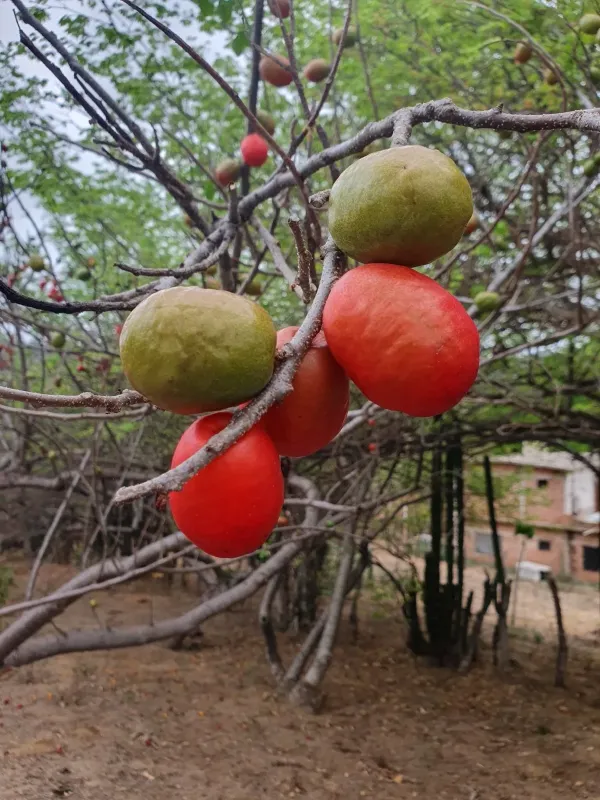
Description
Sowing dates
Propagation of Spondias purpurea is most effectively achieved through stem cuttings, which ensure the rapid establishment of the root system and consistent fruit quality.
Cuttings ranging from 30 to 50 centimeters in length are typically planted directly into the soil at the onset of the rainy season to guarantee moisture for development.
Although seed propagation is possible, it is less common in commercial orchards due to the extended period required to reach the productive fruiting stage.
When using seeds, they must be cleaned of all pulp and sown in well-drained, nutrient-rich soil under high humidity and warm ambient temperatures.
Young plants should be nurtured in a nursery setting before being transplanted to their permanent location to ensure they have developed enough strength to thrive.
Growing requirements
Spondias purpurea belongs to the Anacardiaceae family and is native to the tropical regions of the Americas, where it is highly valued for its resilient growth.
This tree requires a tropical climate and cannot tolerate frost, making it suitable primarily for regions where temperatures remain consistently warm throughout the year.
It adapts well to a variety of soil types, including sandy and rocky soils, though it performs best in deep, well-drained loamy soils with adequate organic matter.
The tree is remarkably drought-tolerant, yet a steady water supply during the flowering and fruit-setting phases is critical for maintaining high yields.
Full sun exposure is a non-negotiable requirement, as any significant shading will result in sparse foliage and a dramatic reduction in fruit production.
Yield
Spondias purpurea is a relatively early-bearing tree, often producing its first harvest within 3 to 4 years when grown from vegetative cuttings.
Mature trees are highly productive, with a single specimen capable of yielding between 50 and 100 kilograms of fruit per season under optimal management.
Yield capacity is influenced by regular pruning, which helps maintain a manageable tree height and encourages the development of new, high-fruiting wood.
The fruits, known as red mombin, contain significant amounts of essential vitamins and minerals, fueling their demand in local and international fruit markets.
In well-maintained orchards, the trees can be highly profitable, providing a consistent source of fruit that can be consumed fresh or processed into preserves.
Main diseases and pests
Fruit flies pose the most significant threat to Spondias purpurea, as their larvae can infest and spoil the interior of the ripening fruit on the tree.
Various sucking insects, including aphids and scales, can colonize young stems and leaves, causing stunted growth and reducing the tree's overall vigor.
Fungal pathogens such as anthracnose are frequent issues in areas with high humidity, often resulting in spotting on leaves and premature fruit drop.
Cultural practices, such as maintaining proper spacing and performing routine sanitation pruning, are essential to ensure adequate airflow and reduce fungal risks.
Integrated pest management strategies are recommended to keep damage below economic thresholds without relying solely on intensive chemical applications.
Harvesting
Harvesting Spondias purpurea must be performed manually in several sessions due to the uneven ripening of fruits across the tree's canopy.
The transition of the skin color from green to a vivid purple or red serves as the primary indicator that the fruits have reached the desired maturity.
Great care is necessary during the harvesting process as the ripe fruits have a very thin skin and soft flesh, making them highly prone to bruising.
Post-harvest handling is critical, and fruits should be packed in shallow, ventilated containers to prevent heat buildup and premature fermentation.
Since fresh fruits have a short shelf life at ambient temperatures, rapid distribution to market or immediate processing is required to ensure quality.