
Ambarella
Spondias dulcis Sol. ex Parkinson
Description
Growing requirements
Ambarella, scientifically known as Spondias dulcis, is a fast-growing tropical fruit tree belonging to the Anacardiaceae family. It is widely cultivated for its edible fruits which are popular in Southeast Asia and the Pacific Islands.
The tree requires a warm, humid tropical climate to thrive. It is extremely sensitive to frost and does not tolerate temperatures below freezing, which can permanently damage young trees.
Well-drained soils are essential for healthy growth. The plant performs best in sandy or loamy soils rich in organic matter, with a pH ranging from slightly acidic to neutral.
Adequate irrigation is crucial during the flowering and fruit-setting stages. However, growers must ensure that the site has excellent drainage to prevent root rot and waterlogging.
Full sun exposure is required for maximum fruit production. While the tree can withstand some shade, it will significantly reduce yields and affect the overall vitality of the plant.
Yield
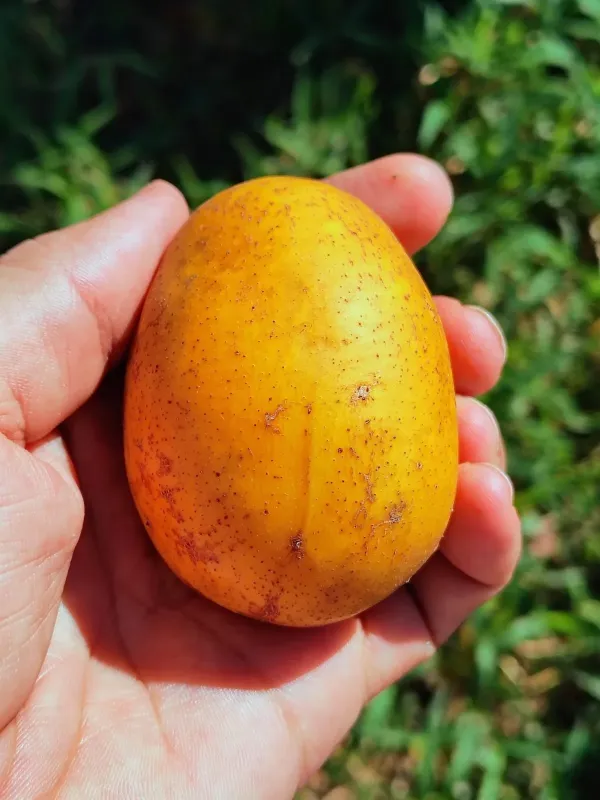
The fruit of the Ambarella is an oval drupe that grows in clusters. When ripe, the skin turns bright yellow, and the flesh becomes juicy and sweet-sour, often described as a blend of pineapple and mango.
A single mature tree can produce a substantial yield, often hundreds of kilograms per year. Under commercial orchard management, the tree can be trained to facilitate efficient harvesting.
The fruit is used in a variety of culinary applications, including fresh consumption, juices, jams, and pickles. In many cultures, the green, unripe fruit is used as a vegetable in salads and curries.
Beyond the fruit, the tree has minor commercial uses. The wood is soft and porous, used in some regions for local construction or light woodwork, and leaves are occasionally used in traditional medicine.
Due to its high Vitamin C content and dietary fiber, the fruit has gained popularity in global markets as a "superfood," driving increased demand for organized plantations.
Main diseases and pests
The most significant pests affecting Ambarella are fruit flies, which can ruin a large portion of the crop if not managed through proper trapping or biological control methods.
Anthracnose and other fungal leaf spots can become problematic during prolonged rainy seasons. These diseases are best managed by ensuring good air circulation through proper pruning.
Root rot is a major risk in poorly drained sites. It is often caused by Phytophthora species, which thrive in waterlogged conditions and can quickly kill mature trees.
Weed management around the base of the tree is important to reduce competition for nutrients and water, especially for young saplings establishing their root systems.
Integrated Pest Management (IPM) strategies, including the use of pheromone traps and resistant cultivars, are recommended for maintaining a sustainable orchard environment.
Harvesting
Harvesting is primarily done by hand or with specialized poles. Since the fruit is thin-skinned and prone to bruising, extreme care must be taken during the picking and handling process.
The maturity of the fruit is determined by its color change from light green to a uniform golden-yellow. Some growers prefer picking slightly firm fruits for longer shelf life during transport.
Post-harvest handling involves sorting, cleaning, and sometimes grading the fruit by size. Proper ventilation is key to preventing moisture buildup in storage crates.
Storage in cool, dry conditions is recommended. Although the fruit is perishable, it can be kept for several days at room temperature or up to two weeks in refrigerated conditions.
Successful marketing often relies on the timing of the harvest to coincide with peak demand, as the Ambarella fruit is highly sought after for its unique flavor profile.