
Velvet sumac
Rhus x pulvinata Greene
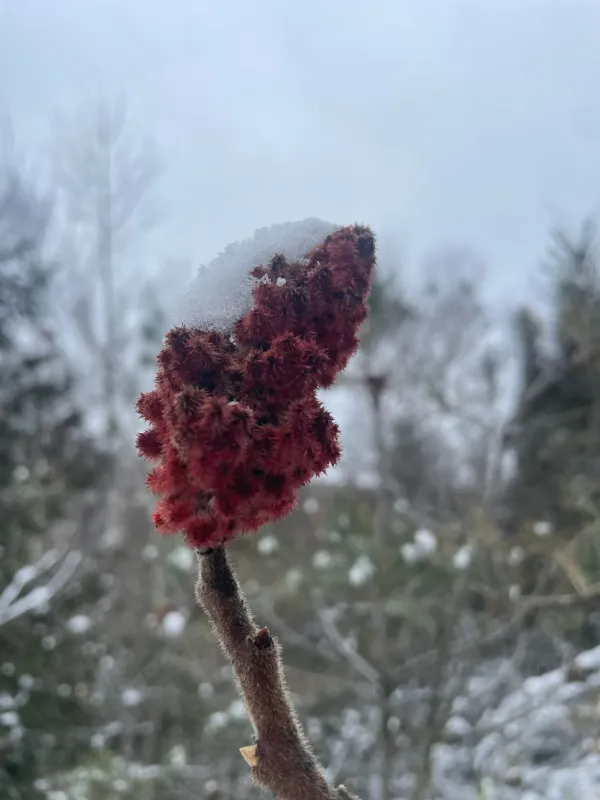
Description
Growing requirements
Velvet sumac (Rhus x pulvinata) is a deciduous shrub belonging to the Anacardiaceae family. This hybrid species is widely recognized for its robust nature, rapid growth, and exceptional aesthetic value, particularly due to its striking scarlet autumn foliage.
The species is highly adaptable to various soil types, including poor, dry, and rocky substrates. It does not require intensive fertilization, making it an excellent candidate for erosion control on slopes and for urban areas where soil conditions are often suboptimal.
Exposure to full sun is essential for the healthy development of this plant. While it can withstand partial shade, optimal light conditions ensure the formation of a dense, well-structured canopy and the vibrant color palette associated with its unique botanical appearance.
The velvet sumac exhibits significant drought tolerance once established. Its root system is deep and efficient, allowing the plant to thrive in dry conditions where other shrubs would require regular irrigation. This makes it a low-maintenance choice for sustainable landscaping.
Cultural management primarily involves monitoring its tendency to spread via rhizomes. Because the plant produces suckers, it is important to allocate sufficient space for its development or to implement physical root barriers to contain the plant within the desired landscape zone.
Main diseases and pests
Velvet sumac is generally considered a disease-resistant plant. It possesses natural chemical defenses within its tissues, which render it largely unappealing to common leaf-eating insects and boring pests often found in other ornamental garden species.
The most significant threat to the health of the plant is Verticillium wilt, a fungal disease typically associated with waterlogged or poorly drained soil conditions. Maintaining proper soil moisture levels is the most effective preventative measure against this pathogen.
Leaf spot diseases may occasionally occur during periods of prolonged high humidity. While these are usually cosmetic in nature, ensuring good air circulation by pruning the canopy can effectively reduce the likelihood of fungal colonization on the leaves.
During harsh winters, young plants may be susceptible to rodent damage. Protecting the bark at the base of the stem with protective wraps or mesh can prevent small animals from causing girdling, which could prove fatal to young specimens.
In cases of severe infection or limb damage, pruning is required. Clean cuts and proper sanitation of tools help prevent the transmission of opportunistic pathogens, maintaining the overall vigor and lifespan of the sumac plantation.