
Staghorn sumac
Rhus typhina L.
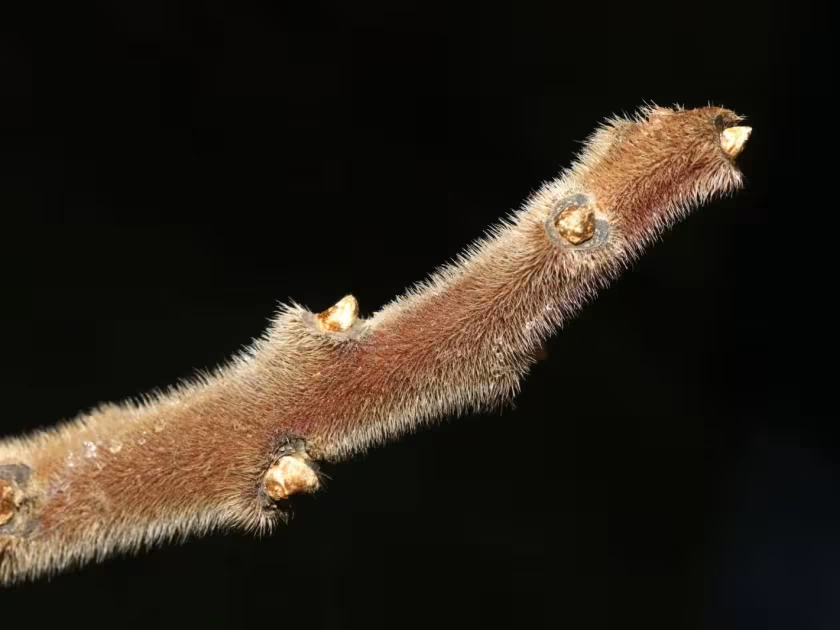
Description
Sowing dates
Staghorn sumac (Rhus typhina L.), a member of the Anacardiaceae family, is propagated through seeds or vegetative methods. Due to the very hard seed coat, seeds require scarification or stratification for 1–2 months before sowing to ensure germination.
Fall planting is generally preferred for seeds, as the natural winter cold provides the necessary stratification. Spring sowing without pre-treatment typically results in poor and uneven germination rates, making it less productive for large-scale cultivation.
Vegetative propagation via root suckers is the most common and effective method. The shrub naturally produces extensive root systems that send up shoots; these can be carefully separated from the parent plant and transplanted to new areas.
Stem cuttings are another viable option. Both softwood and hardwood cuttings can be used, rooted in a well-draining substrate under high humidity conditions to support root development.
Given the plant's aggressive suckering habit, growers must plan for spatial management. Implementing physical barriers or regular maintenance is necessary to prevent the plant from dominating unintended areas of the field.
Growing requirements
Staghorn sumac is a sun-loving species that requires full exposure to thrive. While it can tolerate partial shade, its iconic velvety branches and vibrant autumn foliage color are best expressed in open, sunny locations.
The plant is highly adaptable to various soil types, including sandy, rocky, and poor soils where other species might fail. It is known to fix nitrogen, which can contribute to improving soil quality over time.
Excellent drainage is the most critical requirement for sumac. The plant is highly sensitive to waterlogged conditions, which can lead to root rot and other systemic issues that may jeopardize the health of the entire plant.
Sumac is noted for its exceptional drought tolerance once established. This trait makes it an ideal crop for marginal lands and regions prone to water scarcity, as it requires minimal irrigation once the root system is well-developed.
It is winter-hardy and well-adapted to temperate climates. While young growth may occasionally suffer from late spring frosts, the plant's robust regenerative capacity allows it to bounce back quickly during the growing season.
Yield
Staghorn sumac has several traditional and modern industrial uses. The leaves and bark are rich in tannins, which have been historically utilized in the tanning industry for processing high-quality leathers.
The fruits, known as drupes, are produced in dense, fuzzy red clusters. When dried and ground, they provide a popular culinary spice characterized by a tart, lemony flavor and significant antioxidant content.
The wood of the sumac is highly valued in woodworking and cabinetry. It exhibits a unique, striking color range from orange to green and features a distinctive grain, making it popular for small decorative projects and carvings.
In landscaping, the "yield" is measured by its ornamental utility. Its sculptural form, tropical-looking leaves, and dramatic fall colors make it a highly sought-after plant for large gardens, parks, and erosion control projects.
For commercial production, managing the density of the plantation is vital. Periodic thinning or rejuvenation of older clumps ensures a consistent supply of biomass and high-quality fruit yields year after year.
Main diseases and pests
Staghorn sumac is naturally resilient to many common pests and diseases, which significantly reduces the need for synthetic chemical inputs. It maintains good health under diverse environmental conditions.
Root rot remains the most significant threat, particularly in soils with poor aeration or excessive water retention. Preventive measures include choosing well-draining sites and avoiding over-irrigation during the growing season.
Aphids can occasionally infest young shoots, particularly during periods of rapid growth. While these infestations rarely kill the plant, they can reduce its visual appeal and vigor, warranting spot treatment if necessary.
Borer insects may target stressed or physically damaged plants. Maintaining plant vigor through proper site selection and avoiding unnecessary mechanical damage is the best defense against stem and wood-boring pests.
Good plantation hygiene, including the removal of dead or heavily diseased limbs, helps keep the sumac population healthy. The use of biological control agents is recommended as a sustainable way to manage minor pest outbreaks.