
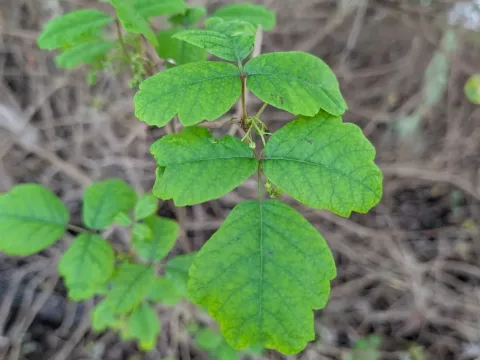
Toxicodendron
Toxicodendron
Toxicodendron is a genus of flowering plants in the family Anacardiaceae, commercially significant for the extraction of natural lacquer and wax from its sap and fruit.
What the section contains


Toxicodendron
The native range spans across East Asia and North America. The plant thrives in temperate to subtropical climates that offer deep, well-draining soils with rich organic matter content.
Success in cultivation requires a site with full to partial sunlight. Optimal growth is observed in loamy soils with slightly acidic to neutral pH levels, avoiding heavy clay substrates that hold excessive water.
Agronomic management involves standard pruning to maintain structure and ensure adequate airflow. Growers must exercise extreme caution, as the plant secretes urushiol, which can cause severe contact dermatitis.
Propagation is typically achieved via seeds or stem cuttings. Young saplings require consistent moisture, whereas established plants demonstrate moderate tolerance to periodic dry spells.
Commercial output is measured by the volume of sap collected from the trunk via specialized tapping techniques. The harvesting season usually coincides with the peak of the growing period.
Fruit harvesting provides a secondary source of income, as the berries are processed for their high-quality vegetal wax, which is a staple in specific chemical and craft sectors.
Common pathological threats include fungal leaf spot and root rot associated with poor drainage. Insect pests such as aphids and scale insects are frequently managed using integrated pest control methods.