
Swintonia
Swintonia
Swintonia is a genus of evergreen trees belonging to the Anacardiaceae family, sharing taxonomic characteristics with well-known species like mango and cashew. These trees are significant canopy members in tropical rainforests, often reaching substantial heights and developing thick, sturdy trunks.
What the section contains

Swintonia
The native distribution of the genus is primarily concentrated in Southeast Asia. Countries such as Thailand, Myanmar, Malaysia, and Indonesia provide the warm, humid climate necessary for these trees to thrive throughout their life cycle.
Cultivation requirements involve specific tropical conditions characterized by high humidity and consistent rainfall. The trees perform best in deep, fertile, and well-drained soils, as they are sensitive to waterlogging, which can compromise root system health.
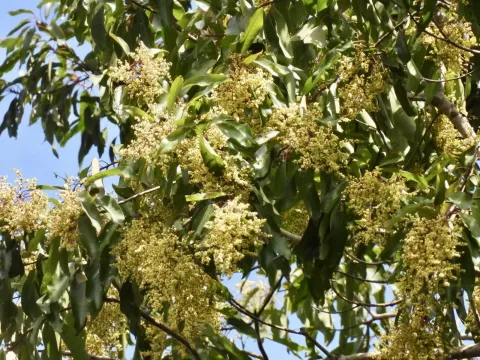
Botanically, Swintonia trees feature simple, leathery leaves and small flowers arranged in panicles. Their fruit is typically a drupe, which is essential for the natural regeneration of the population within its ecological niche.
Economically, the genus is valued for its timber. The wood is widely recognized for its strength and durability, making it suitable for construction, flooring, and plywood manufacturing within the regional tropical timber markets.
Various borers and wood-attacking insects pose the primary threat to the longevity and quality of Swintonia timber. These pests can infest the trunks, leading to structural damage and devaluation of the raw material.
Fungal pathogens represent a significant risk, especially in the damp conditions of tropical forests. Infections often manifest as root or stem rots, particularly when trees are weakened by environmental stress or physical trauma.
Habitat loss due to land conversion remains the most significant threat to the survival of various Swintonia species. Sustainable forest management is required to preserve these valuable tropical resources.
Effective forest health monitoring relies on visual inspections to detect early signs of dieback or leaf discoloration. This helps foresters manage the density of stands to reduce pathogen transmission.
- Avoid over-crowding in young stands.
- Maintain natural forest floor drainage.
- Ensure rapid removal of diseased timber.