
Metopium brownei
Metopium brownei
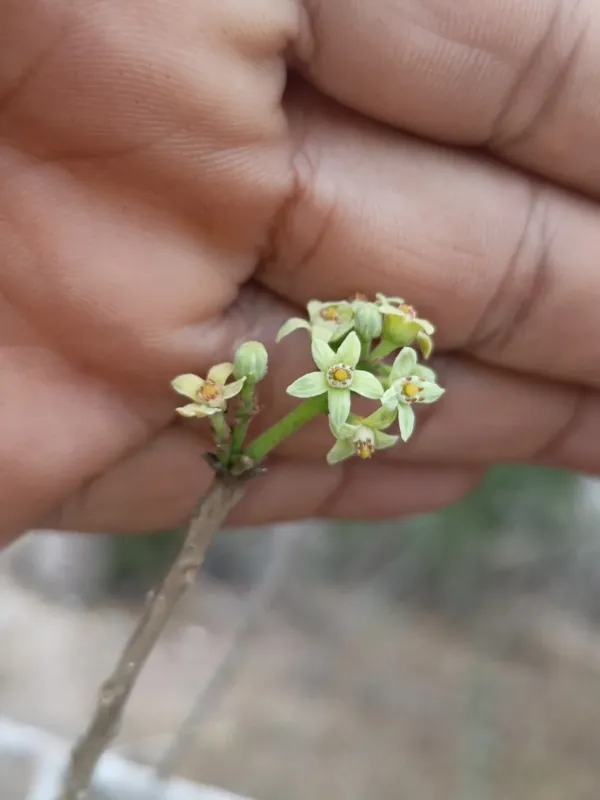
Description
Growing requirements
Metopium brownei is an evergreen tree species belonging to the Anacardiaceae family. It is widely recognized in its native range for its structural durability and role in the local ecosystems of the Caribbean and Central America.
This tree thrives in tropical climates characterized by stable, warm temperatures throughout the year. It exhibits excellent adaptability to various soil types, particularly favoring well-drained, limestone-derived substrates common in its natural habitat.
Sunlight exposure is a critical factor for the growth of this species. It is a heliophytic plant that requires open canopy conditions to achieve optimal height and girth, making site selection a priority for growers.
Water requirements are relatively moderate once the tree is established. During the initial growth phase, consistent moisture is necessary, but the tree demonstrates significant resilience to seasonal dry periods as it matures.
The tree is primarily valued for its dense, high-quality timber. This wood is highly prized for furniture making, carving, and specialized construction due to its hardness, attractive grain pattern, and long-lasting resistance to decay.
Yield
The yield of Metopium brownei is measured by the volume of merchantable timber harvested per hectare. Due to its slow-growth nature, the crop requires a long-term management strategy to be economically viable.
Proper spacing is essential to maximize timber quality. Overcrowding in plantations reduces the rate of diameter growth, while insufficient density can lead to excessive branching and defects in the main trunk.
Harvesting cycles are typically planned over several decades. Selective harvesting is the preferred method, as it allows for the continuous regeneration of the forest stand and maintains ecosystem balance.
Quality control during post-harvest processing is vital. The wood requires careful seasoning to prevent cracking and warping, ensuring that the final lumber meets the standards required for high-end applications.
Continuous monitoring of the growth rate in different environmental conditions helps agronomists refine management techniques, leading to higher-quality timber production over successive harvest cycles.
Main diseases and pests
The main threats to Metopium brownei include root rot diseases, which often result from poor soil drainage. Maintaining healthy soil structure and avoiding waterlogging are the primary preventive measures.
Stem-boring insects represent a significant biological threat. These pests can severely damage the vascular system of the tree, significantly reducing the commercial value of the timber if left unchecked.
Mechanical damage to the bark and trunk is a major vector for opportunistic fungal pathogens. Proper pruning techniques and the use of specialized machinery are necessary to minimize these risks during maintenance.
Severe tropical weather events, such as hurricanes, pose a physical risk to the structural integrity of the trees. Implementing windbreaks can help protect young stands from excessive swaying and stem deformity.
Integrated pest management, combining regular field inspections and selective sanitation logging, remains the most effective strategy for ensuring the long-term health and productivity of the population.