
Poisonwood
Metopium toxiferum
Description
Growing requirements
Poisonwood (Metopium toxiferum) is a member of the Anacardiaceae family. This woody plant is native to the tropical regions of the Americas, specifically found in Florida, the Bahamas, and the Caribbean islands, where it typically inhabits dry forests and limestone-based soils.
The plant requires well-drained, alkaline soils to thrive, which is consistent with its natural preference for coral or limestone substrates. In terms of cultivation, it is highly drought-tolerant, making it an excellent candidate for regions where water resources are restricted during specific seasons.
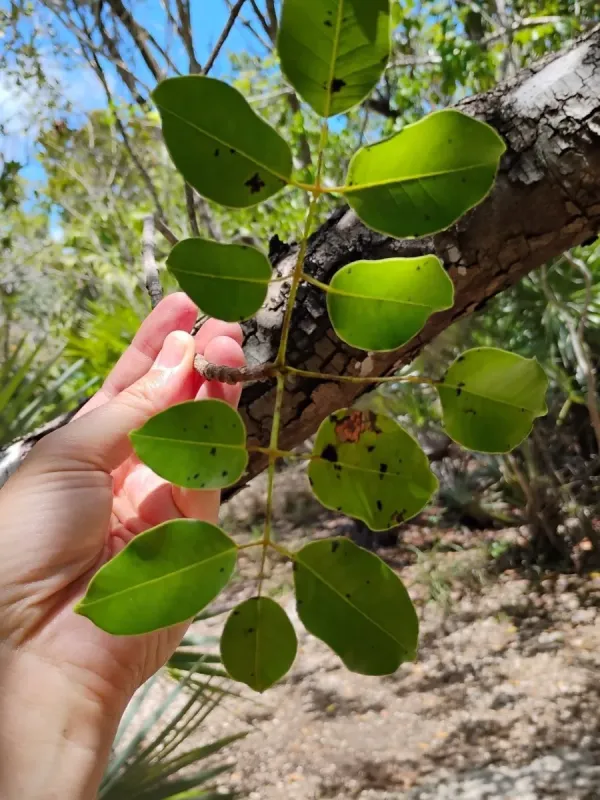
Botanically, it is classified as an evergreen tree or large shrub that can reach heights of 10 to 15 meters. Its foliage is compound, with shiny, leathery leaflets that frequently display vibrant red or orange hues, particularly during the transition between seasons.
Climatic requirements are strictly tropical or subtropical, as the species has no tolerance for freezing temperatures. It demands full sun exposure for healthy growth and lacks the ability to develop correctly under a canopy, as it is a light-demanding species in its natural environment.
Economic use is strictly limited by the plant's high toxicity due to the presence of urushiol in its sap. It is primarily managed for environmental restoration purposes, such as soil stabilization on coastal ridges, and is generally avoided in public landscaping due to its severe allergen profile.
Main diseases and pests
Typical threats include common fungal diseases that affect tropical hardwoods, such as leaf spot and various bark pathogens. While the plant is hardy in its native range, overwatering or poor soil drainage can lead to root rot, significantly weakening the individual tree's resistance to insects.
The primary concern regarding this plant is its extreme contact toxicity. It is highly hazardous to humans, causing severe dermatitis upon contact with the sap or foliage. Any agricultural management or trimming process requires strict adherence to safety protocols, including full protective gear for all personnel involved.