
Ethiopian pistachio
Pistacia aethiopica
Description
Sowing dates
Propagation of Ethiopian pistachio is typically achieved through seeds, which is the most reliable method for this specific species. Seeds require proper stratification to break dormancy and ensure high germination rates during the planting phase.
In natural habitats, germination occurs at the onset of the rainy season, when soil moisture and temperature are optimal for seedling development. For cultivation purposes, it is recommended to sow seeds in nursery beds to provide early protection and care.
Transplanting seedlings to their final location should be done when they are 1-2 years old. Protecting the root system during the transplanting process is crucial, as the young roots are highly sensitive to disturbances and soil compaction.
The planting pattern must account for the wide, spreading canopy of a mature tree. A spacing of at least 5 to 7 meters between trees is advised to ensure adequate light exposure and good airflow, which prevents microclimate-related diseases.
The initial growth phase is characteristically slow, requiring significant patience and rigorous weed control. Maintaining a clean area around the base of the trunk is essential to reduce competition for nutrients and water during these formative years.
Growing requirements
Ethiopian pistachio, a member of the Anacardiaceae family, is a typical xerophytic plant highly adapted to arid conditions. It displays remarkable tolerance to heat, drought, and poor soil fertility, thriving where other nut crops might struggle.
The species prefers well-drained, light-textured soils such as sandy or rocky substrates. It is strictly intolerant to waterlogging, as stagnant water around the roots quickly leads to severe physiological stress and susceptibility to pathogens.
The ideal climate involves a distinct cycle of dry and wet seasons, mirroring its natural East African habitat. The tree is photophilous, requiring full sun for optimal health; shade exposure significantly decreases its growth rate and overall vigor.
Soil pH should ideally be neutral or slightly alkaline. The tree develops an extensive root system capable of mining for moisture from deep layers, providing the plant with natural resilience against extended dry spells during the growing season.
While hardy, Ethiopian pistachio is sensitive to severe frost. Its cultivation is therefore restricted to tropical and subtropical regions. In high-altitude areas, the species demonstrates a degree of adaptation to fluctuating diurnal temperatures.
Yield
Yields for Ethiopian pistachio are generally moderate and strictly dependent on the tree's age and environmental conditions. It usually takes several years to reach the reproductive stage and begin producing a consistent crop of nuts.
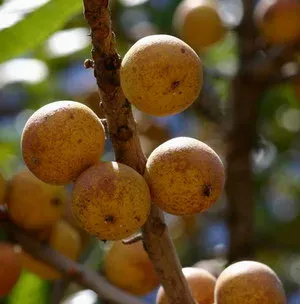
The fruits are small drupes produced in clusters. Many trees exhibit a biennial bearing pattern, where years of high yields are followed by years of rest, which is a common physiological trait among members of the genus Pistacia.
The primary economic output consists of edible kernels, which are nutrient-dense and rich in fats and proteins. These are a valuable local food source and have significant potential for the global nut market and specialized food industries.
Wood from this species is highly valued for its durability, hardness, and resistance to decay, making it useful for construction and fine woodworking. Additionally, the tree produces a resin (mastic) that is commercially harvested for industrial use.
The economic viability of this crop is supported by low maintenance requirements, specifically the lack of need for intensive irrigation. This makes it an excellent candidate for agricultural development in marginalized, arid regions.
Main diseases and pests
The primary threats include various fungal infections, which are often exacerbated by poor air circulation or over-irrigation. Excessive moisture at the root collar is a frequent precursor to crown and root rot development.
Pests, such as various types of borers, aphids, and leaf-eating beetles, can cause localized damage to the foliage and new shoots. Regular scouting of the plantation is vital for identifying infestations before they cause significant yield losses.
- Aphids and scale insects on young shoots.
- Phytophthora root rot caused by stagnant water.
- Fruit-boring insects affecting nut development.
Integrated pest management (IPM) is the best approach, emphasizing biological controls and proper canopy maintenance. Chemical treatments should be applied selectively and only when necessary to protect the natural balance of beneficial predatory insects.
Disease prevention is primarily achieved through sanitation and proper pruning. A healthy, well-pruned tree possesses a natural immune system that is generally sufficient to resist most common pathogens found in its native environment.
Harvesting
Harvesting Ethiopian pistachio requires careful monitoring of the nut maturity levels. Collecting too early or too late can lead to quality degradation, such as shell splitting or kernel oxidation, which significantly reduces the product's market value.
Hand-picking remains the standard method for harvest, given the often rugged terrain and the specific arrangement of the fruit clusters. After harvest, nuts must be thoroughly sun-dried to reduce internal moisture and prevent mold during storage.
Post-harvest processing involves cleaning and grading the nuts to remove debris and low-quality specimens. A high-quality batch should show uniform color, healthy shells, and clean, intact kernels without evidence of insect damage or fungal growth.
Storage should take place in cool, dry, and well-ventilated facilities. Controlling environmental humidity is critical, as any moisture uptake during storage will cause the oils in the kernels to oxidize rapidly, ruining the flavor profile.
While industrial shaking machines can be used for larger orchards, caution is necessary to avoid damaging the tree's bark or skeletal branches. Due to the tree's structure, gentle handling is always preferred to ensure long-term productivity.