
Comocladia glabra
Comocladia glabra
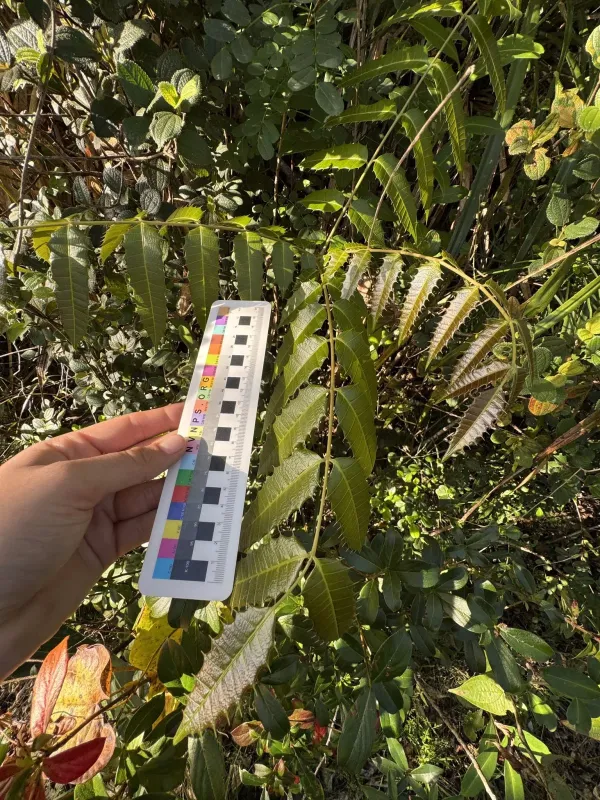
Description
Growing requirements
Comocladia glabra, commonly known as maiden plum, is a species belonging to the Anacardiaceae family, indigenous to the tropical regions of the Caribbean, including Cuba, Puerto Rico, and Hispaniola.
The plant thrives in tropical climates where temperatures remain consistently high throughout the year. It exhibits resilience to varied light conditions, growing effectively in both forest clearings and shaded understory habitats.
Optimal soil conditions include well-drained, porous media such as limestone-derived soils or volcanic loams. Proper aeration of the root zone is critical for maintaining plant health and preventing root asphyxiation during heavy rain events.
Agricultural management requires careful moisture control, ensuring that the soil does not become waterlogged while avoiding extreme drought conditions. Regular organic mulching can help maintain soil moisture and nutrient content in industrial settings.
Due to the presence of urushiol-like compounds in its sap, Comocladia glabra poses a contact dermatitis risk. Commercial cultivation, where necessary, must involve strict safety protocols to protect workers from skin exposure to the toxic latex.
Main diseases and pests
Fungal pathogens represent the most significant threat to the plant's foliage, particularly in environments with stagnant air and high humidity. Leaf spot diseases can lead to significant biomass loss if left unmanaged.
Pest pressures are generally centered on sap-sucking insects and leaf miners. Monitoring programs are essential to detect infestations early and implement targeted control methods before the damage becomes irreversible.
Root health is frequently compromised by over-irrigation or soil compaction, which favor the growth of soil-borne fungi. Maintaining a balance between soil hydration and drainage is the primary defense against such threats.
Invasive weeds competing for nutrients can reduce the vigor of young saplings. Cultivation practices should include manual weeding around the base of the plant to minimize resource competition.
While the plant's natural toxicity acts as a deterrent for many herbivores, specialized insects may still cause localized damage. Integrated pest management strategies tailored for tropical perennials should be implemented.