
Comocladia dodonaea
Comocladia dodonaea
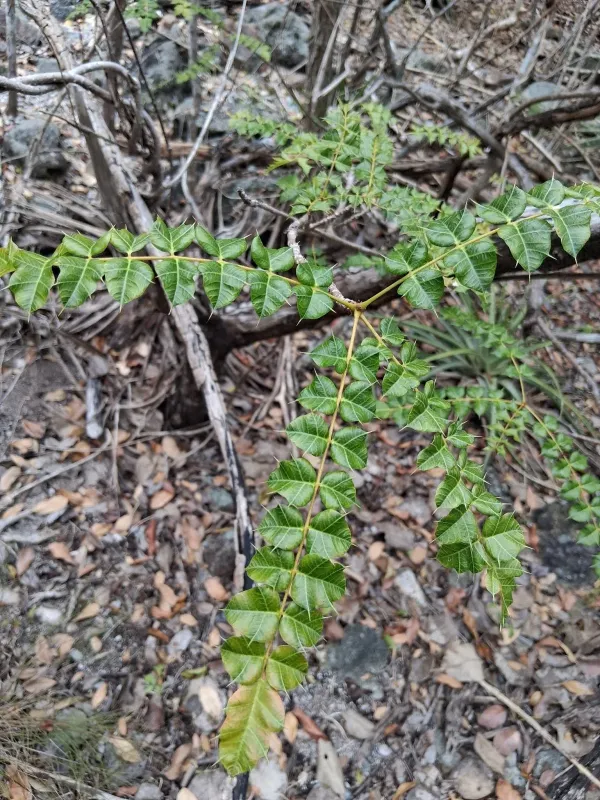
Description
Sowing dates
Propagation of Comocladia dodonaea is typically achieved through seeds, which require specific conditions to break dormancy and ensure successful germination.
Sowing should take place in early spring, utilizing a well-draining, sandy substrate mix that mimics the natural rocky habitats of the species.
It is crucial to maintain a consistent soil temperature of approximately 22 to 25 degrees Celsius, as sudden cold snaps can impede the development of the root system.
Seeds should be covered lightly with vermiculite, and the container should be placed in a bright area with diffused sunlight to support initial growth.
Seedlings require careful handling during transplanting, as they develop a sensitive taproot system that does not tolerate frequent disruption.
Growing requirements
Comocladia dodonaea belongs to the Anacardiaceae family and is native to the Caribbean region, where it thrives in dry, coastal forest environments.
The plant demonstrates high adaptation to calcareous and nutrient-poor soils, provided that excellent drainage is maintained to prevent root asphyxiation.
Full sun exposure is a non-negotiable requirement for this species, as reduced light levels lead to etiolation and significantly reduced vigor.
Watering regimes should follow the cycle of the plant's native habitat, allowing the soil to dry out almost completely between irrigation sessions.
In managed landscapes, it requires protection from temperatures below 10 degrees Celsius, as frost can cause irreversible damage to the vascular tissues.
Main diseases and pests
The primary concern in cultivation is root rot caused by poor soil drainage and excessive soil moisture, which favors pathogenic fungal growth.
Pests such as scale insects and spider mites are frequent invaders, especially when the plant is grown indoors with poor ventilation.
Gardeners must be aware that the plant is known to contain toxic compounds in its sap, which can cause severe skin irritation and allergic reactions upon contact.
Effective management includes routine visual inspections of the stems and leaves to detect any signs of infestation or fungal spots early on.
Maintaining a clean growing environment and ensuring proper spacing between plants is essential to minimize the spread of potential pathogens.