
Comocladia dentata
Comocladia dentata
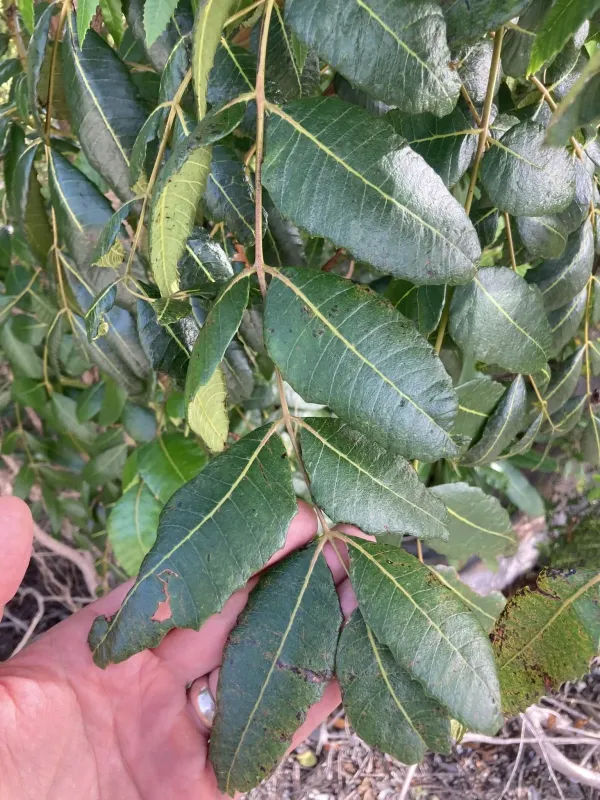
Description
Growing requirements
Comocladia dentata, commonly known as Maidenplum, is a notable species within the Anacardiaceae family. It is recognized for its rigid, dentate leaves and its ability to thrive in harsh, dry, tropical environments where many other species would struggle.
The native habitat of this plant is centered in the Caribbean, specifically Cuba, where it occupies dry forest ecosystems. It is well-adapted to rocky limestone soils that provide the essential mineral composition for its growth and structural integrity.
Environmental requirements include high exposure to solar radiation and well-drained soil substrates. The species is highly drought-tolerant, utilizing its physiological mechanisms to minimize transpiration during periods of low precipitation.
Agrotechnical practices must prioritize the safety of the grower, as the plant is known for its toxic sap, which can cause severe skin irritation similar to poison ivy. Protective clothing is mandatory during any maintenance activities.
Propagation is typically achieved through seeds harvested from mature fruits. Germination requires warm temperatures and a stabilized moisture level within the substrate to ensure successful establishment of the seedlings.
Main diseases and pests
The plant is generally resilient to pests due to its toxic chemical defenses, which act as a deterrent to most herbivores. However, in poorly managed environments, fungal pathogens such as leaf spot may occur if air circulation is inadequate.
Root system health is the primary concern for agricultural success. Ensuring that the planting site has excellent drainage is crucial to prevent rot-inducing fungi, which are the most significant biological threats to this species.