
Tidestromia
Tidestromia
Tidestromia is a genus of plants belonging to the Amaranthaceae family, commonly known as the desert blanket. These plants have evolved to thrive in the harshest desert environments of North America, particularly in the southwestern United States and Mexico.
What the section contains


Tidestromia
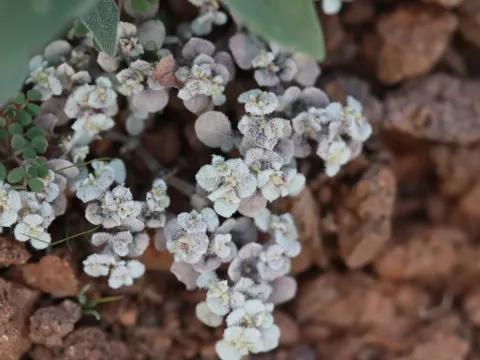
Botanically, Tidestromia species are characterized by their specialized foliage, which is often densely covered in small hairs. This physical adaptation significantly reduces water loss through transpiration and helps the plant withstand intense solar radiation.
The growth cycle of these plants is closely tied to seasonal moisture, allowing them to rapidly produce biomass during brief rainy periods before returning to a dormant or semi-dormant state to survive the scorching heat.
In terms of soil requirements, the plant prefers well-drained, sandy, or gravely soils typical of desert washes and alluvial fans. It is highly intolerant of waterlogging, which can cause rapid tissue decay.
From an agricultural and ecological perspective, Tidestromia serves as a vital stabilize for desert soils and contributes to the local biodiversity by providing shelter and sustenance for specialized arid-zone fauna.
The primary threats to Tidestromia include fungal pathogens that exploit the plant's tissues if the environment becomes unexpectedly humid or if the soil drainage is compromised by human interference.
Herbivory from desert-adapted insects poses a constant challenge, especially during the plant's flowering phase when nutrient levels are highest within the leaves and stems.
Climate change and shifts in regional rainfall patterns are significant threats, as these plants rely on specific timing for germination and seedling survival to maintain their population cycles.
Habitat loss resulting from urban expansion and commercial development is a critical issue that reduces the available range for these specialized desert plants.
Effective management requires protecting the integrity of arid ecosystems, preventing overgrazing, and ensuring that natural hydrological flows are not blocked or redirected by agricultural or construction projects.