
Tecticornia
Tecticornia
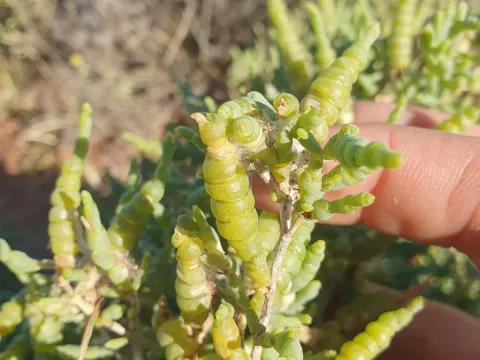
Tecticornia is a genus of succulent plants within the Amaranthaceae family, widely known as halophytes. These plants are remarkably evolved to thrive in highly saline environments where most conventional crops fail. Their biological structure allows them to sequester salt in specialized tissues, enabling efficient growth in arid, salt-affected regions.
What the section contains

Tecticornia
Native primarily to the salt pans and coastal regions of Australia, Tecticornia species are increasingly studied for their potential in global agriculture. They represent a sustainable solution for utilizing saline land, requiring minimal freshwater inputs and demonstrating high resilience to extreme temperature fluctuations.
The cultivation requirements focus on mimicking natural habitat conditions: high sun exposure and well-drained, saline soils are essential. While they tolerate diverse conditions, consistent salinity levels in the growing medium are necessary to maintain the plant's metabolic health and overall vigor.
Agronomic practices for Tecticornia emphasize efficient water management, often utilizing brackish or saline irrigation. Since the plant naturally suppresses many weeds due to high salinity, the need for chemical herbicides is virtually eliminated, positioning it as an eco-friendly crop for future production.
Economic use of Tecticornia is centered on its value as a functional food. The succulent stems are edible, offering a distinct salty flavor and a rich profile of minerals. Beyond food, they are being researched for forage production in arid regions, providing a nutritional alternative where traditional crops cannot grow.
Like any agricultural crop, Tecticornia faces risks from biological threats, particularly fungal infections triggered by poor drainage. When soil becomes waterlogged, the roots become susceptible to various fungal pathogens that can rapidly compromise the integrity of the plant’s succulent tissue.
Insects and pests specialized in desert vegetation can pose a threat during the plant's rapid growth phases. These pests typically feed on the nutrient-rich succulent stems, potentially reducing the overall quality and quantity of the harvest if not managed properly through early detection.
Chemical control strategies are generally discouraged due to the potential usage of the plant in the food and feed sectors. Instead, agronomic best practices recommend integrated pest management (IPM) techniques, emphasizing biological controls and habitat management to keep pest populations below economic injury levels.
Maintaining the proper salt balance is crucial for plant immunity. Fluctuations in salinity can cause physiological stress, which in turn weakens the plant's natural defenses, making it more vulnerable to opportunistic pathogens. A stable environment is the foundation of disease prevention.
Crop monitoring should focus on early signs of stress, such as discoloration of the stems or stunted development. Removing infected or infested plants immediately can prevent the spread of diseases, ensuring the long-term productivity of the plantation under sustainable agricultural conditions.