
Tidestromia suffruticosa
Tidestromia suffruticosa
Description
Growing requirements
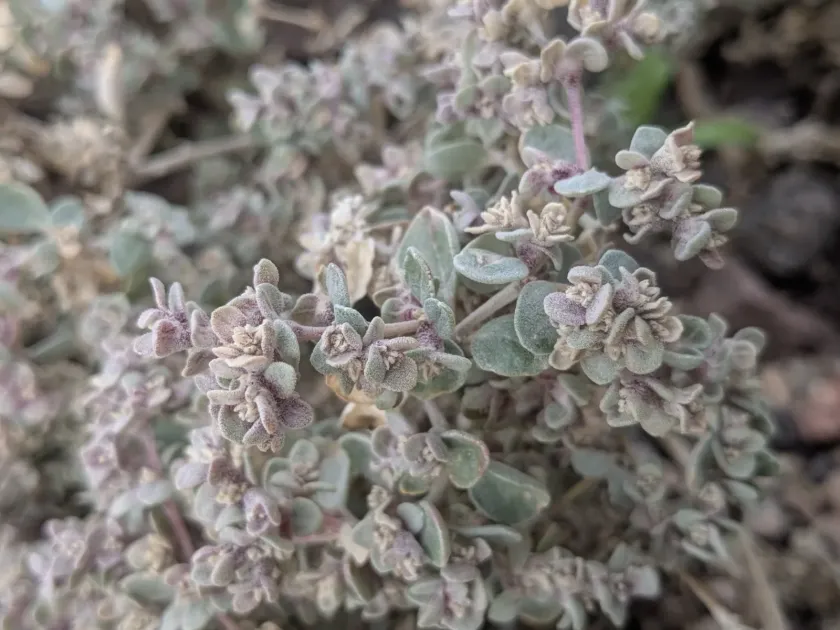
Tidestromia suffruticosa is a perennial subshrub belonging to the Amaranthaceae family, widely recognized for its adaptation to harsh, arid desert environments.
The plant features specialized pubescence on its foliage, which acts as a thermal barrier, reflecting intense solar radiation and minimizing water loss through transpiration.
It thrives in sandy, gravelly, or saline soil compositions where traditional agricultural crops would fail due to osmotic stress or lack of water.
Climate requirements include high ambient temperatures and significant exposure to sunlight, which are essential for its metabolic processes and biomass development.
The root structure of this plant is exceptionally deep-reaching, allowing it to tap into subterranean water reserves in desert basins during periods of extreme drought.
Main diseases and pests
The plant remains largely resistant to conventional plant diseases due to the extreme climate conditions that inhibit the survival of many pathogens.
Overgrazing by livestock represents the most significant threat to the stability of Tidestromia populations, causing significant damage to the vegetative canopy.
Defoliation by locust swarms or specific desert-dwelling beetles can occasionally affect individual plants, though the species is generally resilient to herbivory.
Root rot pathogens may emerge only in conditions of artificial over-irrigation, which creates an environment unsuitable for this desert-adapted species.
Human-induced environmental degradation and habitat loss are the primary drivers of localized decline for this unique botanical specimen.