
Tidestromia oblongifolia
Tidestromia oblongifolia
Description
Growing requirements
Tidestromia oblongifolia is a notable member of the Amaranthaceae family, native to the arid desert landscapes of the Southwestern United States and Northern Mexico.
This species is highly specialized for survival in extreme environmental conditions, characterized by high temperatures and significant periods of drought throughout the growing season.
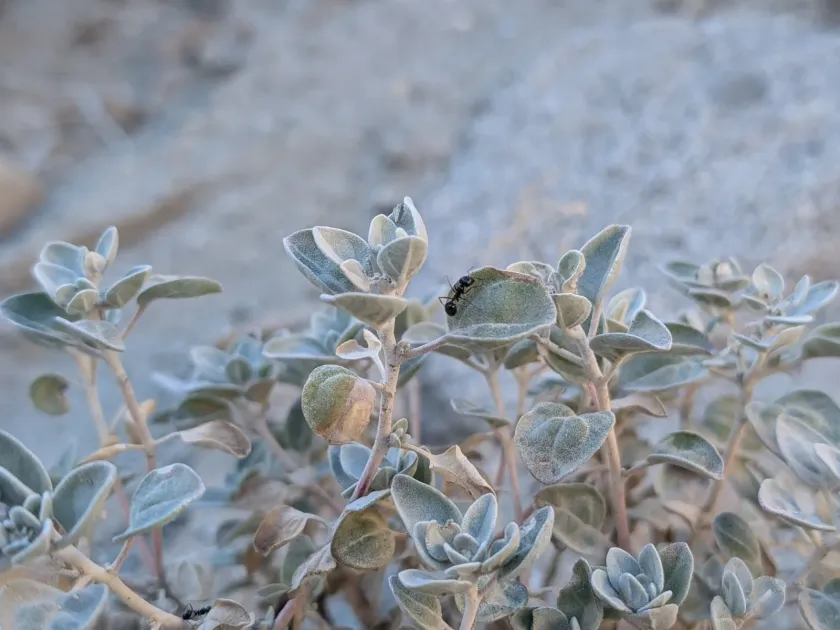
Botanically, it presents as a perennial shrub with a branched structure, covered in fine hairs that help reduce moisture loss through transpiration under intense sun exposure.
For cultivation purposes, the plant requires well-draining, sandy, or gravelly soils, as it is highly sensitive to root zone saturation and standing water, which can prove fatal.
The plant utilizes C4 photosynthesis, a metabolic pathway that allows it to maximize carbon fixation efficiency while minimizing water loss, making it a focus for research on drought-tolerant crops.
Main diseases and pests
Tidestromia oblongifolia exhibits remarkable resistance to common agricultural pests and diseases, largely due to its evolution in an environment with low biological pressure from pathogens.
Potential threats include opportunistic insect herbivores that may feed on the foliage during exceptionally dry periods when other sources of vegetation are unavailable in the desert habitat.
Fungal pathogens are rarely an issue in managed settings, provided that soil moisture management remains strict and aeration is maintained around the plant canopy.
Integrated pest management for this crop focuses on monitoring for outbreaks of locusts or desert beetles, which are the most common herbivores capable of causing localized damage.
Chemical control is rarely necessary or recommended, as the plant's robust natural defenses and the specific environmental requirements make the environment unfavorable for most crop-specific diseases.