
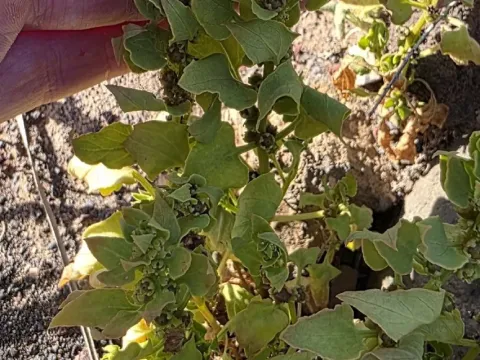
Patellifolia
Patellifolia
Patellifolia is a genus of herbaceous plants belonging to the Amaranthaceae family, which requires specific conditions for optimal germination. Successful sowing depends largely on soil preparation and temperature control during the early stages.
What the section contains

Patellifolia
Planting typically occurs in the spring, once the soil temperature consistently reaches approximately 10–12 degrees Celsius. Maintaining consistent soil moisture is critical during the initial two-week period to ensure uniform seedling emergence.
Seeds should be sown at a shallow depth of 1–2 centimeters to allow for rapid growth and access to sunlight. Spacing between rows is generally maintained at 30–40 centimeters to facilitate efficient nutrient uptake and plant maintenance.
The crop demonstrates significant adaptability to various light conditions, which makes it a viable candidate for diverse geographical locations. Early development is relatively fast, allowing the crop to establish itself firmly before weed pressure becomes excessive.
Proper density of the stand is essential to maximize the growth of vegetative biomass. Farmers should adjust the sowing rate based on the intended final output of the crop, whether for seed production or biomass.
Patellifolia is widely recognized for its high tolerance to saline soils, making it an excellent candidate for agricultural land reclamation. It thrives in soils where high salt concentrations often inhibit the growth of conventional crops.
The plant prefers well-aerated sandy or loamy soils with a neutral to slightly alkaline pH level. While it can withstand moderate drought conditions, consistent water availability is preferred during peak vegetative growth periods.
Sufficient sunlight exposure is crucial, as the plant is sensitive to shading which significantly reduces its photosynthetic rate and overall productivity. It is best to cultivate the plant in open areas with minimal competition for light.
Nutrient requirements are modest compared to more demanding row crops, focusing on balanced NPK fertilizers to support healthy plant architecture. Over-application of nitrogen should be avoided to prevent excessive leafy growth at the expense of seed formation.
Temperature management is generally straightforward as the plant is robust against heat. However, it is essential to ensure that the soil drainage is sufficient to avoid waterlogging, which can damage the root system.
Yield capacity of Patellifolia is dictated by the management of soil salinity and the effectiveness of irrigation strategies. When managed correctly, the plant provides consistent yields of high-quality biomass.
The total yield is influenced by the competitive suppression of weeds during the early vegetative phase. Proper row spacing and mechanical cultivation are key factors that prevent yield drag caused by nutrient theft by weeds.
Seed yield is a critical metric for commercial farmers, requiring careful monitoring of physiological maturity. The crop is capable of producing significant quantities of seeds if environmental stress is kept to a minimum during the flowering window.
Fertilization regimes based on soil tests often yield the best results, ensuring that micronutrients are available for optimal seed development. A balanced approach avoids the common pitfalls of excessive vegetative stimulation.
Consistent yield performance across varying seasonal conditions underlines the reliability of Patellifolia for farms operating on degraded or challenging agricultural soils, adding value to overall farm profitability.
Fungal pathogens represent the primary threat to Patellifolia, particularly in environments with high humidity or stagnant air circulation. Root rot is a common issue if the soil remains waterlogged for extended periods.
Pests such as aphids and specific leaf-feeding beetles can occasionally cause localized damage to the foliage. Implementing integrated pest management strategies helps control these populations without harming beneficial insects.
Weed infestation is a significant challenge during the establishment phase. Early intervention with mechanical hoeing or strategic mulching is vital to protect the young plants from nutrient competition.
Powdery mildew can emerge under conditions of rapid temperature flux or high moisture. Prevention through crop rotation and the selection of healthy seed stock is the most effective management approach.
Monitoring the fields for signs of stress or pest pressure allows for timely intervention, preserving the overall health and yield potential of the crop throughout its life cycle.
The harvest of Patellifolia is executed when the seeds reach full maturity, indicated by the hardening of the fruit and a characteristic change in color. Precise timing is necessary to minimize losses from seed shattering.
Mechanical harvesting via combines is common, though it requires specific settings to accommodate the size and fragility of the seeds. Harvest is best conducted during dry weather to ensure seed quality and moisture content.
Post-harvest handling involves thorough cleaning to remove field debris and immediate drying to prevent microbial growth. Proper storage in ventilated, cool conditions ensures long-term viability for the seed stock.
The residues left after the harvest can be processed back into the soil as organic matter. This practice not only aids in soil structure improvement but also supports the ecological balance of the field.
Quality control during the drying phase is essential, as excess moisture in storage can quickly lead to a decline in seed vigor and increased risk of mold contamination, impacting the crop's market value.