
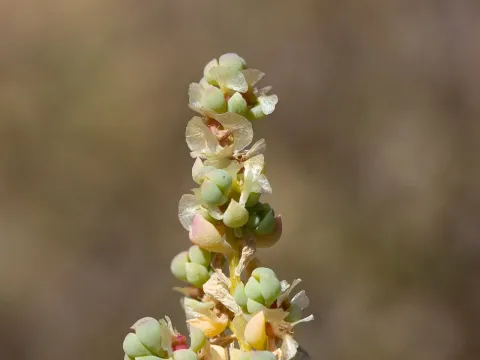
Osteocarpum
Osteocarpum
Osteocarpum is a genus belonging to the Amaranthaceae family, uniquely adapted to thriving in arid and semi-arid environments characterized by high soil salinity.
What the section contains

Osteocarpum
Sowing should be performed during the post-frost season when soil temperatures are consistently above 15 degrees Celsius to ensure vigorous germination.
Seeds are small, necessitating shallow placement in the soil to ensure that the delicate seedlings can emerge rapidly without exhausting their energy reserves.
Row spacing should be determined by the specific climate and moisture availability of the site, optimizing the plant population for maximum biomass production.
Pre-planting soil preparation is minimal, focusing on creating a firm seedbed that prevents the seeds from being buried too deeply by wind or rain.
As a true halophyte, Osteocarpum requires soils with high concentrations of mineral salts, conditions that would typically prove toxic to traditional agricultural crops.
The plant demonstrates exceptional resilience to prolonged droughts, maintaining metabolic functions even when water availability is significantly below normal levels.
Sunlight exposure is a critical factor for the growth of Osteocarpum; the species requires full, direct sun throughout the day to achieve its maximum growth potential.
Soil texture should be sandy or silty, providing excellent drainage and aeration to prevent the roots from succumbing to rot caused by waterlogging.
Nutrient requirements are modest; the plant is well-evolved to extract essential minerals from soils that are otherwise considered nutrient-poor or degraded.
The primary yield measurement for Osteocarpum is the quantity of green biomass produced per hectare, which serves as a valuable forage resource in desert areas.
While productivity is stable, it can be significantly enhanced through supplemental irrigation, which allows the plant to express its full genetic potential for rapid growth.
In managed agricultural environments, harvesting techniques are optimized to ensure multiple cuts per season without depleting the plant's root reserves.
Yield stability makes this crop an attractive option for farmers looking to mitigate risks associated with climate change and increasing desertification.
Research into selecting high-yielding varieties is ongoing, focusing on genetic traits that balance biomass production with the plant's inherent stress tolerance.
Root pathogens represent the most significant threat to the health of Osteocarpum, especially in cases where soil drainage is compromised by poor land management.
Pest pressure is generally low due to the plant's specialized chemical defenses, yet constant monitoring is required to prevent localized infestations during the growth phase.
Weed competition is only a concern during the very early stages of plant development, before the seedlings establish themselves and begin to dominate the site.
Environmental diseases are rare, but excessive humidity can lead to fungal issues, making proper site selection and spacing vital for disease prevention.
- Implementation of proper crop rotation to break pathogen life cycles.
- Regular field checks for early signs of pest damage or abnormal tissue discoloration.
Harvesting is ideally timed to coincide with the peak vegetative growth phase, ensuring the material remains succulent and palatable for livestock consumption.
Mechanical harvesting equipment should be set to a specific cutting height to avoid damaging the crown of the plant and to promote rapid regrowth.
Post-harvest handling must include rapid cooling or drying to maintain the quality of the harvested biomass, especially in high-temperature environments.
Seed harvesting requires careful adjustment of thresher speeds to prevent mechanical damage to the seeds, which are highly sensitive due to their structure.
Proper storage in moisture-controlled facilities is necessary to protect the harvested product from degradation by moisture or biological contaminants.