
Patellifolia procumbens
Patellifolia procumbens
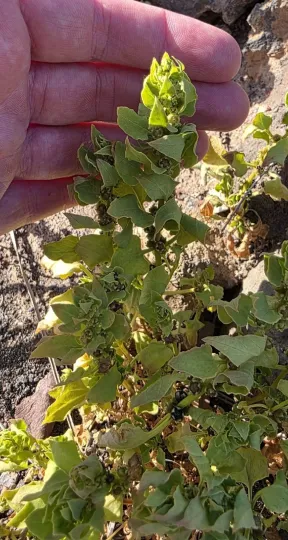
Description
Sowing dates
Patellifolia procumbens is typically sown during the spring season when soil temperatures remain consistently above the threshold for germination. Proper seedbed preparation is essential, as the seeds are relatively small and require good soil contact for successful establishment.
The optimal seeding depth for this culture is between 1 and 2 centimeters. Shallow planting ensures that the emerging seedlings can break through the soil surface without excessive energy expenditure, which is critical for healthy crop development.
Spacing strategies are usually determined by the intended outcome of the harvest. For biomass production, higher density plantings are preferred, while seed production requires wider rows to ensure adequate airflow and facilitate easy mechanical harvesting.
It is crucial to maintain weed-free conditions during the first few weeks after emergence. Early-stage weed suppression ensures that seedlings have sufficient access to nutrients and light, which significantly improves the overall vigor of the crop.
In regions with potential for dry spells, implementing irrigation immediately after sowing can drastically improve germination rates. Ensuring consistent moisture during the early vegetative phase is the key to achieving uniform plant stands.
Growing requirements
As a member of the Amaranthaceae family, Patellifolia procumbens is highly valued for its exceptional physiological resilience. It is famously adapted to challenging conditions, including high levels of soil salinity where other crops fail to grow.
The plant thrives in well-drained, sandy, or loamy soil types. It is particularly efficient at utilizing limited water resources, making it a sustainable choice for agriculture in arid or semi-arid climatic zones where water conservation is prioritized.
Sunlight is a major requirement for this species. It performs best in open fields with high solar radiation, which stimulates its metabolic processes and results in rapid biomass accumulation throughout the long summer days.
Soil management for this culture involves minimal disturbance, often utilizing reduced tillage practices. This approach not only preserves the structure of the soil but also prevents wind and water erosion in vulnerable fields.
Nutrient requirements are moderate compared to high-input industrial crops. The species responds well to balanced NPK fertilizers, but excessive nitrogen application should be avoided to prevent lodging and maintain its natural hardiness.
Yield
The overall yield of Patellifolia procumbens depends heavily on the management of soil salinity and moisture levels. Under optimal conditions, the crop produces a substantial amount of vegetation that can be utilized as a high-value forage resource.
Farmers usually aim to harvest the biomass before the peak flowering phase to ensure the plant maintains its peak nutritional quality. Multiple cuts per season are possible if conditions remain favorable and the plant receives adequate recovery time.
Seed production yields are also significant, provided that harvesting equipment is calibrated to prevent the loss of smaller seeds. Timely harvesting is essential, as mature seeds can shatter easily if the weather conditions become too harsh.
The economic viability of the crop is supported by its low demand for protective chemical treatments. This makes it an attractive option for organic or low-input farming systems looking for profitable alternatives in difficult environments.
Continuous monitoring of the field during the growth cycle allows for precise management of harvesting times. Adjusting the height of the cutting bar helps in maintaining the health of the rootstock for subsequent regrowth cycles.
Main diseases and pests
The primary threat to the stability of the crop is the development of fungal pathogens, particularly in instances of poor field drainage. Waterlogged soil conditions can lead to root system deterioration, which is often irreversible.
Pests such as various aphids and beetles may occasionally feed on the tender young leaves of the plants. Integrated pest management strategies, such as encouraging natural predators, are usually sufficient to keep populations below economic damage thresholds.
Weed competition is the most significant during the early vegetative stages. Once the crop reaches the rosette phase and expands its ground cover, it effectively outcompetes most opportunistic weeds, reducing the need for chemical intervention.
Nematodes are another potential risk in soils where members of the Amaranthaceae family are grown repeatedly. Crop rotation is strongly recommended as a prophylactic measure to disrupt the life cycle of soil-borne pathogens.
Proper post-harvest drying is necessary to protect the storage quality of the biomass and seeds. Reducing moisture content ensures that the stored product remains stable and free from mold contamination throughout the storage period.