
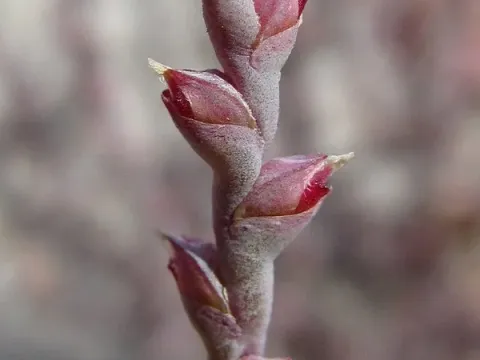
Ofaiston
Ofaiston
Ofaiston is a specialized agricultural crop belonging to the Asteraceae family. Its cultivation requires careful planning of sowing dates, as the plant is highly sensitive to early seasonal temperature fluctuations and requires stable conditions for initial root establishment.
What the section contains

Ofaiston
The optimal time for sowing is when soil temperatures reach a consistent range of +12...+15 degrees Celsius. Sowing too early risks low germination rates, while late sowing can result in shortened vegetative periods, preventing the crop from reaching its full yield potential.
Standard agronomic practice involves row spacing between 45 and 60 centimeters. This arrangement ensures optimal plant nutrition and allows for necessary inter-row mechanical weeding, which is vital for crop health during the early growth stages.
Seed preparation, including high-quality seed selection and appropriate chemical treatment, is essential to mitigate the risk of soil-borne pathogens. Using precision seeders helps maintain an even plant population, which is crucial for uniform field development.
Advancements in seed technology allow for better germination under varied environmental conditions. Ensuring correct depth (2–4 cm) is critical to protect the seed from drying out while allowing for efficient energy expenditure during emergence.
Ofaiston demands fertile soils with good drainage, such as rich loams or chernozems. Maintaining a neutral soil pH is important, as overly acidic or alkaline environments can severely hinder nutrient uptake, particularly microelements.
Water management is a key factor for success. While the crop requires regular moisture for vigorous growth, it is intolerant of waterlogged soil. Proper land levelling and drainage systems should be in place to prevent root asphyxiation during heavy rain events.
Being a sun-loving plant, Ofaiston requires maximum exposure to daylight. Sites with high solar radiation levels yield significantly better results than shaded or cloudy regions, where photosynthesis rates remain suboptimal throughout the season.
A balanced fertilizer program focusing on nitrogen, phosphorus, and potassium is required to support the plant's structural development and metabolic needs. Phosphorus is particularly important in the early stages to foster a robust root system.
Climate stability is preferred, as extreme temperature fluctuations can cause physiological stress. Proper site selection in temperate zones helps the crop maintain its metabolic rhythm, leading to more predictable harvest results.
Yield efficiency is directly linked to adherence to best management practices. A well-managed crop with optimal plant spacing and nutrient supply is likely to meet or exceed genetic yield expectations in typical farming environments.
Weed control represents one of the most effective ways to boost yield. By eliminating competition early in the season, the farmer ensures that all available soil nutrients and moisture are utilized by the Ofaiston plants rather than by weeds.
Applying micro-nutrients during the reproductive phase helps maximize the size and quality of the final product. Foliar feeding can be a highly effective method to correct minor deficiencies before they become visible limitations.
Continuous monitoring of the field allows for early intervention. Crop scouting for nutritional deficiencies or signs of stress is an essential task for agronomists aiming for peak production levels at harvest time.
Irrigation systems can significantly stabilize yields in arid or semi-arid climates. Consistent water supply ensures that the plant does not enter a dormancy phase during peak summer heat, allowing for continuous biomass accumulation.
Like many Asteraceae crops, Ofaiston is vulnerable to a range of fungal infections, most notably powdery mildew and fusarium wilt. These pathogens thrive in high humidity and can cause significant crop loss if left unchecked.
Insect pests, including aphids and various leaf-chewing beetles, pose a recurring threat. They damage leaf surfaces, which reduces the plant's total photosynthetic area and can vector viral diseases from surrounding vegetation.
Integrated Pest Management (IPM) is the recommended approach. This includes crop rotation, which breaks the lifecycle of soil-borne pathogens, and the judicial use of pesticides only when economic thresholds are reached.
Maintaining clean field borders is a practical way to reduce the pressure from migratory pests and weed-borne diseases. Ensuring that surrounding ditches are free of host plants helps manage the local pest population.
- Routine inspection for symptoms of fungal growth.
- Utilization of resistant or tolerant crop varieties.
- Spatial isolation from related host plant crops.
- Timely application of authorized protective agents.
Harvesting should occur at the peak of physiological maturity. Identifying this stage correctly is essential to maximize quality, as both early and late harvesting can lead to reduced shelf life and lower processing quality.
The use of properly adjusted harvesting equipment is vital to minimize physical damage to the crop. Precision settings prevent excessive seed loss or breakage, which could otherwise significantly impact the final product value.
Immediate post-harvest drying is standard procedure to prevent spoilage. Bringing moisture levels down to safe storage limits is the primary factor in ensuring that the crop remains free from mold during the storage period.
Transport should be carried out using clean, specialized containers to prevent cross-contamination. Logistics efficiency is a crucial link in the chain, ensuring that the harvested product reaches storage in the same state it left the field.
Proper storage conditions involve maintaining low temperature and optimal ventilation. Storing in protected facilities ensures the longevity of the crop and prevents degradation of its chemical and nutritional characteristics.