
Osteocarpum salsuginosum
Osteocarpum salsuginosum
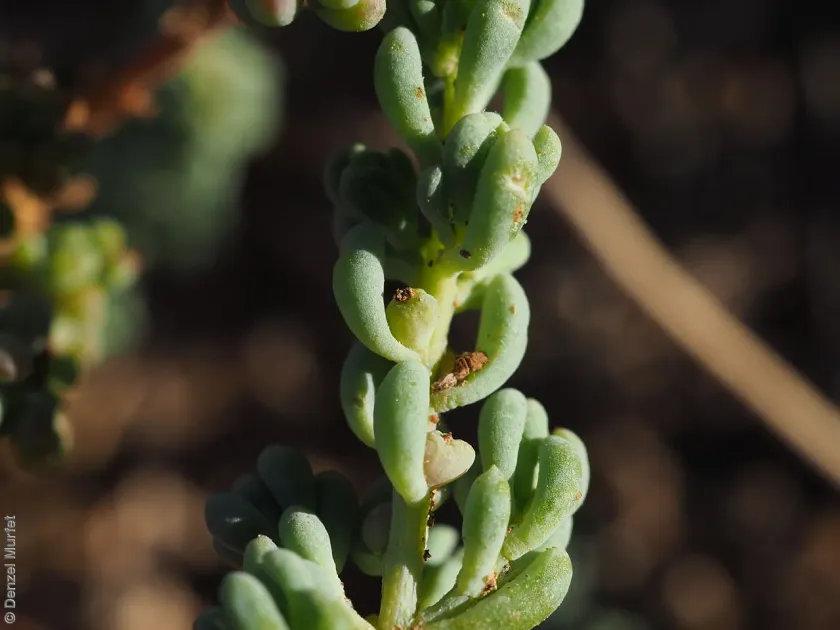
Description
Growing requirements
Osteocarpum salsuginosum is a halophytic species belonging to the Amaranthaceae family. This crop is biologically adapted to thrive in highly saline soils, making it a critical asset for agricultural development in arid and semi-arid environments where conventional crops fail.
The plant originates from arid regions, where it has evolved distinct physiological mechanisms to manage salt stress. Its structural morphology, often exhibiting succulent traits, allows for efficient water storage and osmotic regulation within its tissues.
Regarding climatic requirements, the species favors high solar radiation and low precipitation levels. It is highly sensitive to waterlogging; therefore, well-drained soil profiles are essential to ensure the vitality of the root system and prevent physiological collapse.
The soil requirements focus on salinity tolerance, as the plant effectively utilizes mineral-rich substrates. It is particularly well-suited for regions affected by secondary salinization, where it acts as a bio-remediator to stabilize the soil surface.
In terms of agricultural utility, Osteocarpum salsuginosum is primarily utilized as a forage resource for livestock in challenging desert climates. Its ability to produce biomass under extreme conditions provides a valuable feed source where traditional grasses cannot survive.
Main diseases and pests
The primary threat to the health of Osteocarpum salsuginosum is excess moisture, which can lead to root rot and other fungal complications. The plant is inherently drought-adapted, and artificial irrigation must be carefully managed to avoid soil saturation.
Pest pressures are generally low due to the plant's high salt content, which serves as a natural deterrent. However, specialized insects such as certain species of leaf beetles may pose a threat during the active growth phase if populations reach threshold levels.
Pathogen risks are limited primarily to secondary infections following environmental stress. Maintaining optimal plant spacing is recommended to ensure adequate airflow and reduce the humidity levels that favor fungal growth on leaves and stems.
Effective management strategies should focus on preventive measures, including regular field inspections to detect early signs of infestation. Integrated pest management (IPM) is encouraged to maintain the ecological balance of the salt-affected landscape.
Given the crop's use as forage, the application of pesticides should be strictly monitored or avoided to ensure food safety for livestock. Proper agronomic practices remain the best line of defense against potential biological threats to the cultivation.