
Hebanthe erianthe
Hebanthe erianthe
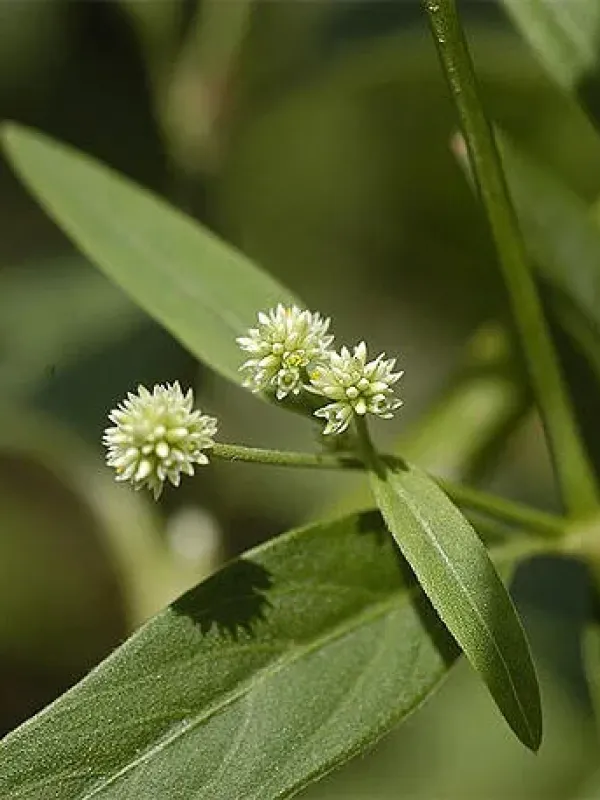
Description
Sowing dates
Hebanthe erianthe belongs to the Amaranthaceae family and is recognized for its specific requirements regarding germination conditions and substrate composition.
Seeds are typically sown in early spring under protected conditions to ensure high viability rates and uniform emergence of seedlings.
The substrate must be well-drained and maintain a consistent temperature of approximately 25 degrees Celsius to stimulate the natural physiological processes of the seeds.
Transplanting seedlings to the open field is recommended only when the risk of frost has completely passed and soil temperatures have stabilized.
Optimal spacing is essential to prevent overcrowding, which allows for better air circulation and reduces the probability of moisture-related disorders.
Growing requirements
This crop thrives in sunny locations with fertile, well-draining soil that supports deep root development without the risk of waterlogging.
Regular irrigation is necessary during the active growth stages, ensuring that the soil remains moist but not saturated at all times.
Nutrient management involves the application of balanced organic fertilizers to promote biomass production and improve overall plant resilience.
The species requires a climate that avoids extreme temperature fluctuations, preferring consistent warmth throughout the main growing season.
Environmental factors like air humidity should be monitored, as excessively dry air may affect the leaf morphology and plant vigor.
Main diseases and pests
The most common pests for Hebanthe erianthe include spider mites and aphids, which feed on the sap and can lead to stunted plant growth.
Fungal diseases, such as root rot and powdery mildew, are prevalent in environments with poor ventilation or stagnant moisture conditions.
Effective pest management relies on early detection, maintaining field hygiene, and applying suitable biological control measures when necessary.
Cultural practices, including proper crop rotation, are crucial to break the life cycles of soil-borne pathogens that target the Amaranthaceae family.
Regular monitoring of plant health allows agronomists to intervene promptly, minimizing the need for extensive chemical treatments.