
Yellow velvetleaf
Limnocharis flava
Description
Sowing dates
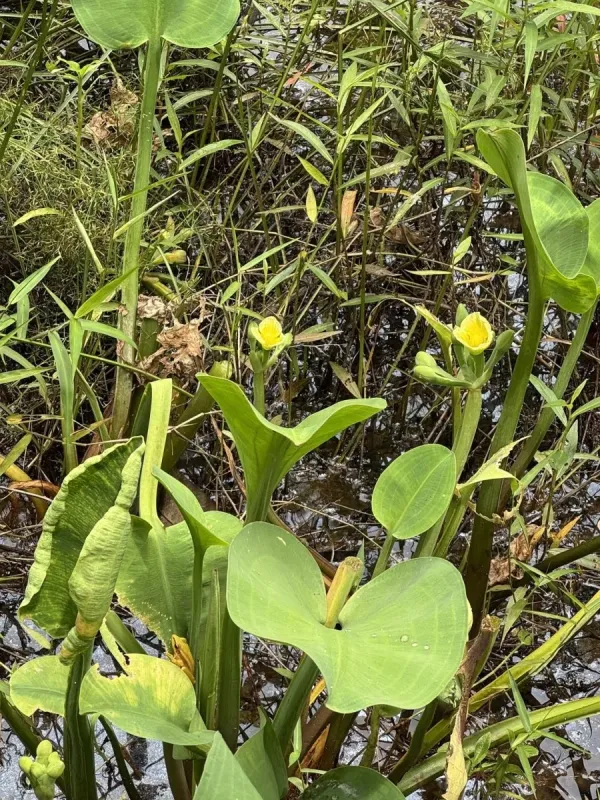
Limnocharis flava, commonly known as yellow velvetleaf, belongs to the Alismataceae family. It is a perennial aquatic plant widely cultivated in Southeast Asia for its edible leaves and flower buds.
Propagation is primarily achieved through seeds or by dividing mature clumps. Seeds should be sown in shallow containers with saturated soil or directly into the mud of shallow paddies, maintaining a water depth of 10-15 cm.
Germination requires warm conditions, ideally with water temperatures exceeding 20°C. Sowing is typically aligned with the start of the rainy season or periods of sustained warm weather to ensure rapid establishment.
The plant exhibits a fast growth rate once established. Proper spacing is essential in the nursery stage to prevent overcrowding, which allows for optimal sunlight penetration and ensures the development of healthy leaf rosettes.
Limnocharis flava thrives under a day length of at least 12 hours. Adequate lighting is crucial during the juvenile stage to encourage vigorous vegetative growth and prevent etiolation of the petioles.
Growing requirements
This crop requires a tropical climate with high humidity and stable temperatures ranging from 22°C to 30°C. It is highly sensitive to cold and does not tolerate frost or temperatures below 15°C.
The ideal growing medium consists of fertile, silt-rich, or clay-based soils. The plant requires a constant water supply, with a soil pH range of 6.0 to 7.5 to support nutrient uptake and metabolic activity.
Open sites with full solar exposure are necessary to maximize photosynthesis. While the plant can tolerate partial shade, productivity is significantly higher in areas with unobstructed sunlight.
Water quality management is vital for success. Stagnant water can lead to the buildup of organic acids and pathogens, which negatively impact the flavor and texture of the harvested stems.
Balanced nutrient levels in the water are recommended. If grown in low-nutrient environments, organic liquid fertilizers compatible with aquatic systems should be applied to maintain yield consistency.
Yield
Yield depends heavily on plantation density and harvesting frequency. Under optimal conditions, the plant is ready for its first harvest 45 to 60 days after transplanting.
Both the tender petioles and unopened flower buds are highly valued in culinary traditions. Continuous harvesting of mature leaves stimulates the plant to produce new shoots, extending the productive cycle.
In commercial aquatic farming systems, yields can reach several tons per hectare, provided that spacing is optimized at approximately 25,000 to 30,000 plants per hectare of water surface.
Harvesting is performed manually by carefully cutting the stems at the base of the rosette. Harvesters must avoid damaging the central growing point to ensure continuous regrowth of the plant.
Due to the high water content of the leaves, the product is perishable. It is essential to transport and market the crop within 24 to 48 hours of harvest to maintain peak quality.
Main diseases and pests
Snails are the most significant pests for Limnocharis flava, as they consume young, tender leaves. Biological controls, such as introducing predatory fish or manual collection, are common practice.
Fungal leaf spots can occur in environments with poor water circulation or excessive humidity. Improving aeration and maintaining water flow are effective prophylactic measures.
Caterpillars and other herbivorous insects may cause significant damage if populations are not monitored. Regular field inspections are necessary to identify outbreaks before they impact yield.
Root rot is typically caused by water stagnation and the accumulation of anaerobic waste. Regular flushing or circulation of water is required to maintain a healthy root environment.
Competition from invasive aquatic weeds can stunt the growth of young Limnocharis. Hand-weeding during the initial stages of development is a standard and essential agronomical operation.
Harvesting
Harvesting is conducted daily or every other day during the peak growing season. Only the youngest petioles and buds should be selected to ensure the product remains tender and not fibrous.
Post-harvest cleaning is mandatory to remove mud and organic debris. Careful washing in clear, running water preserves the delicate structure of the plant and improves its appearance.
Products should be packed in perforated crates to allow for airflow during transport. This prevents the leaves from wilting or decaying due to trapped heat and moisture.
Pre-cooling the harvested stems in chilled water helps retain their crisp texture and shelf life during transit to the retail point.
Quality grading is based on leaf size and the absence of insect damage. Uniform rosettes are preferred by markets, ensuring the crop commands a premium price.