
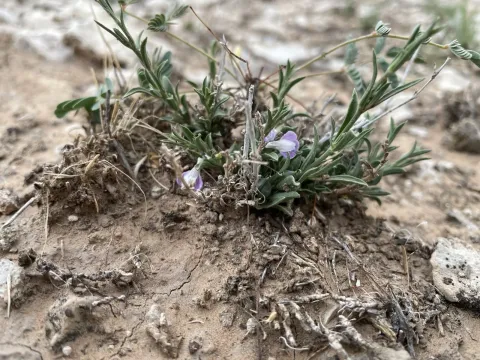
Justicia wrightii
Justicia wrightii
Justicia wrightii is a distinct member of the Acanthaceae family, known for its elegant foliage and unique inflorescences. This species is native to specific tropical and subtropical habitats, where it thrives in warm, stable environmental conditions.
What the section contains
Justicia wrightii
Botanically, the plant is characterized by its shrubby habit and specific leaf morphology. It is a perennial species that requires consistent attention to light and humidity to maintain its natural shape and decorative potential throughout the growing season.
The plant performs best in well-draining, nutrient-rich soil substrates that mimic the natural conditions of its origin. Proper drainage is critical, as excess soil moisture can rapidly lead to physiological stress and damage to the root system.
Regarding climate, Justicia wrightii demands protection from frost and cold winds. In non-tropical regions, it is typically cultivated as a greenhouse specimen or an indoor houseplant to avoid temperatures that fall below its comfort threshold.
High levels of ambient light are necessary for photosynthesis and bud development, but direct, scorching sun should be avoided. A location with bright, filtered sunlight is considered optimal for preventing leaf scorch and promoting vibrant growth.
Common horticultural threats include the spider mite, which flourishes in environments with low air humidity, often causing stippling and discolouration of the leaves.
Scale insects and mealybugs can also pose a significant problem by feeding on the sap of the plant, often leading to stunted growth and the development of sooty mold on the foliage.
Fungal pathogens, particularly root rot, are frequently associated with improper irrigation practices or poor soil aeration, necessitating careful water management.
Integrated pest management is essential, involving the regular inspection of leaf undersides and the immediate removal of any heavily infested stems or plant parts.
Applying appropriate fungicides and miticides can help control outbreaks, but cultural control, such as maintaining optimal humidity and airflow, remains the first line of defense.