
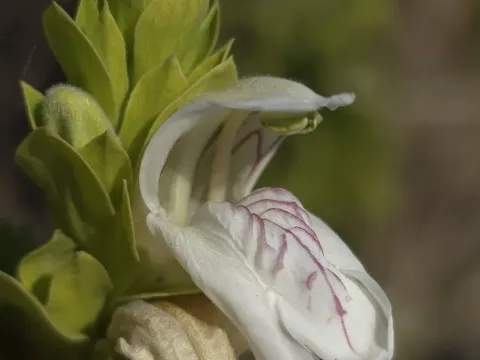
Malabar nut
Justicia adhatoda
Malabar nut (Justicia adhatoda) is a perennial evergreen shrub belonging to the Acanthaceae family. This plant is well-regarded for its significant medicinal value and unique botanical characteristics.
What the section contains
Malabar nut
Originating from the tropical regions of Asia, the plant thrives in environments characterized by high humidity and consistent warmth. It is highly sensitive to frost, which limits its commercial cultivation to specific climatic zones.
The ideal soil for this crop is a well-drained loam, rich in organic matter. Proper soil structure is essential, as the root system of Justicia adhatoda is susceptible to rot if water stagnation occurs.
Light exposure is a critical factor for successful growth. The plant requires full sunlight to semi-shade conditions to maximize the production of phytochemicals, specifically the alkaloid vasicine.
Agronomic management involves regular pruning to maintain a manageable shrub size and to promote dense foliage development. Propagation is primarily achieved through stem cuttings, ensuring the genetic consistency of the medicinal compounds.
Harvesting primarily involves collecting the leaves of the shrub. Experienced growers prefer harvesting during the peak of the growth season when the concentration of secondary metabolites is at its highest.
Drying techniques must be precise to preserve the plant's active constituents. Controlled air-drying in shaded, well-ventilated areas is the preferred method to prevent the degradation of heat-sensitive compounds.
The pharmaceutical industry is the primary consumer of Malabar nut. The leaves are processed into extracts used in cough syrups and other respiratory medications due to their strong bronchodilatory properties.
Beyond its medical use, the plant holds potential in integrated pest management. Its leaf extracts are recognized for their repellent properties against various pests in small-scale organic farming systems.
Maintaining quality control during the harvesting and post-harvesting phases is vital. Ensuring the absence of contaminants and adhering to standardized moisture levels for storage are core requirements for high-quality pharmaceutical-grade supply.