
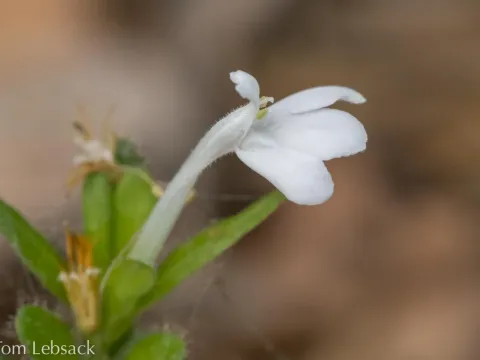
Justicia turneri
Justicia turneri
Justicia turneri is a distinguished species within the Acanthaceae family, known for its elegant foliage and distinct ornamental growth patterns. It originates from the tropical zones of South America, where it thrives in humid and warm microclimates.
What the section contains
Justicia turneri
The plant requires bright, filtered light to maintain its decorative appeal. Exposure to harsh, direct sunlight during peak hours can result in leaf scorch, reducing the vitality of the plant and its overall aesthetic value.
Soil quality is paramount for successful cultivation. It demands a well-draining, nutrient-rich substrate with a slightly acidic to neutral pH level. Proper aeration of the potting medium is essential to promote healthy root development.
Maintaining consistent moisture is critical for this species. It prefers high atmospheric humidity levels, typically between 60% and 75%. Regular misting or the use of humidifiers is often recommended in greenhouse settings.
During the growing season, regular applications of balanced liquid fertilizers are necessary to support vigorous growth and continuous flowering. Careful monitoring of nutrient levels prevents leaf chlorosis.
The most significant pest challenges for Justicia turneri include spider mites and mealybugs. These pests thrive in dry environments and can quickly infest foliage if not managed early.
Root rot and fungal leaf spot are the most frequent health threats caused by poor drainage or excessive soil moisture. These conditions can rapidly compromise the health of the entire plant.
Effective pest management involves integrated control strategies, including the use of targeted insecticidal soaps and biological control agents to maintain plant health without chemical reliance.
Cultural practices such as pruning are vital to improve airflow throughout the foliage, which significantly reduces the risk of fungal proliferation in the lower canopy.
Frequent monitoring for early signs of disease is essential. If localized infection is detected, affected tissue should be removed immediately to prevent further systemic spread.