
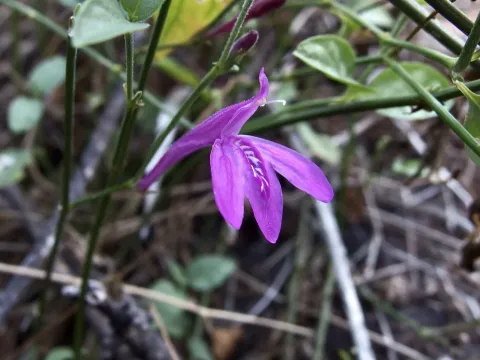
Justicia sonorae
Justicia sonorae
Justicia sonorae is typically propagated through vegetative cuttings or seeds under controlled environment conditions. The most favorable time for starting the crop is early spring, which allows the plant to leverage increasing daylight hours for initial establishment.
What the section contains
Justicia sonorae
Seeds should be sown in a well-draining, lightweight substrate. A consistent temperature of 20–24 degrees Celsius is required to ensure optimal germination rates and healthy development of the primary root system during the early stages.
For cutting propagation, semi-hardwood stems with 2-3 nodes are preferred. These are placed in a rooting medium such as perlite or peat-sand mixtures, requiring high humidity and protection from direct sunlight to successfully strike roots within a few weeks.
When transitioning to outdoor cultivation, it is essential to ensure the risk of frost has completely passed. Acclimatizing the young plants to outdoor conditions over 7–10 days is a standard practice to prevent transplant shock.
The planting pattern should ensure adequate spacing, typically 30–40 cm apart, to promote airflow and minimize the risk of moisture-related diseases that can thrive in densely packed canopy environments.
As a member of the Acanthaceae family, Justicia sonorae thrives best in bright, indirect light. Direct exposure to intense midday sunlight can lead to leaf scorching and physiological stress, necessitating shading in specific climates.
The soil requirements focus on fertility and drainage. A neutral to slightly acidic pH is ideal for nutrient absorption. Incorporating organic matter into the soil helps maintain a balance between moisture retention and essential aeration.
Temperature management is crucial; the plant performs best in a temperate, stable environment. Extreme fluctuations should be avoided, as the species is sensitive to cold drafts, which can cause significant damage to foliage and slow growth cycles.
Watering requires a balanced approach to avoid over-saturation of the root zone, which can lead to fungal complications. While the plant appreciates humidity, the soil must be allowed to partially dry out between irrigation cycles.
Nutritional needs are met through balanced fertilization during the peak growing season. It is advisable to monitor the plant for nutrient deficiencies, adjusting the feeding schedule based on the growth stage and general vigor.
The primary pests affecting Justicia sonorae are spider mites and whiteflies. These insects proliferate in conditions with low humidity and poor ventilation, often damaging the leaves by sucking cellular fluids and weakening the overall plant structure.
Fungal pathogens such as root rot are common in cases of waterlogged soil. Proper drainage and the avoidance of standing water are the most effective prophylactic measures against these persistent soil-borne infections.
Foliar diseases, including spots and blights, can occur if the humidity remains too high without adequate air circulation. Keeping the canopy dry and removing debris from the base of the plant helps maintain a healthy environment.
Integrated Pest Management (IPM) strategies, including the use of neem oil or targeted insecticides, should be implemented at the first sign of an infestation to prevent large-scale spread across the crop.
- Regular inspection for mite webbing on foliage.
- Removal of symptomatic leaves to limit disease spread.
- Application of specialized fungicides if environmental conditions are poor.