
Justicia sumatrana
Justicia sumatrana
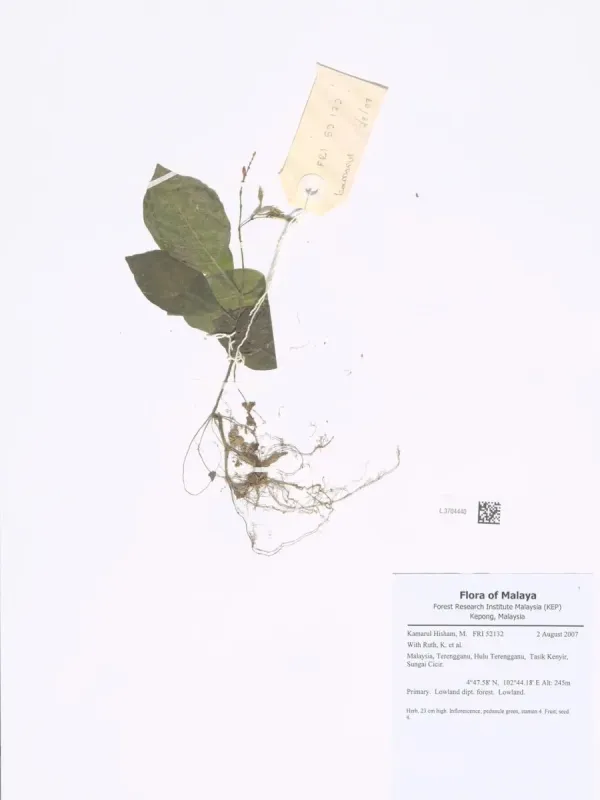
Description
Growing requirements
Justicia sumatrana is a member of the Acanthaceae family, a group of plants well-known for their diverse tropical distribution. Originating from the humid forests of Sumatra, this perennial shrub thrives in sheltered environments.
Climate requirements for this species are specific, necessitating a warm and humid environment throughout the year. Temperatures should ideally range between 22 and 28 degrees Celsius to support consistent plant vigor.
The soil for Justicia sumatrana must be fertile, well-draining, and rich in organic matter. A substrate based on peat and perlite is often utilized in cultivation to ensure adequate oxygen circulation around the root zone while retaining essential moisture.
Watering requirements involve maintaining a consistent soil moisture level. The plants are highly sensitive to drought; however, they are equally prone to root rot if the soil becomes waterlogged, making proper drainage systems critical.
Regarding light exposure, the plant requires bright but filtered light. Direct tropical sun can lead to leaf scorching, meaning that cultivation in shaded areas or the use of protective netting is highly recommended for optimal results.
Main diseases and pests
The primary threats to Justicia sumatrana include common greenhouse pests such as spider mites, aphids, and whiteflies. These insects proliferate quickly in low-humidity conditions and can significantly damage the foliage.
Fungal diseases, particularly powdery mildew and root rot caused by Phytophthora species, represent major pathological risks. These are often triggered by improper irrigation and poor air circulation in high-density plantings.
Management of these threats involves a combination of cultural practices, such as maintaining proper plant spacing, and the application of integrated pest management (IPM) strategies, including biological control agents.
Viral infections can occasionally occur, often transmitted by mechanical means or insect vectors. Strict sanitation protocols for pruning tools are necessary to prevent the spread of diseases across the crop.
Nutritional deficiencies, especially micro-element chlorosis, can weaken the plant's natural defenses, making it more susceptible to external pathogens. Regular soil analysis is recommended to maintain optimal fertilizer levels.