
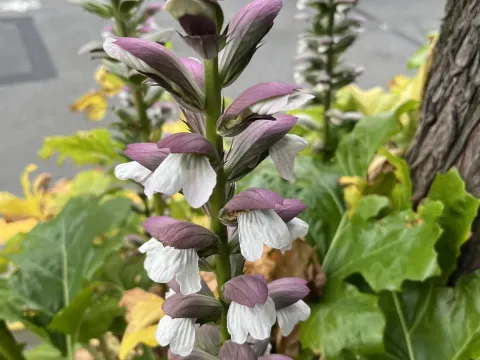
Acanthus
Acanthus L.
Sowing Acanthus seeds is best performed in the spring once the soil has warmed up, or via late autumn sowing in milder climates. Seeds have a hard seed coat and require scarification or soaking in warm water for several hours to break dormancy and improve germination rates.
What the section contains
Acanthus
Vegetative propagation via root division is a highly effective method for multiplying Acanthus. This procedure should be carried out in early spring or early autumn, ensuring that each segment contains healthy root sections and buds for robust future growth.
When starting seeds indoors, use deep pots to accommodate the plant's developing taproot. Maintain temperatures between 20–22 degrees Celsius and provide bright, indirect light until the seedlings are strong enough for transplanting into their permanent locations in the garden.
Space individual plants at least 60–80 centimeters apart to prevent overcrowding and ensure adequate airflow. Proper spacing is crucial as the plant develops large, architecturally significant foliage that can easily shade out smaller neighbors or suffer from fungal issues if cramped.
Growth during the first year is notably slow as the plant invests energy into building its extensive root system. Consistent watering and protection from weeds during this establishment phase are essential for the long-term success and vigor of the Acanthus stand.
Acanthus belongs to the Acanthaceae family, a group of plants native to regions ranging from Mediterranean climates to subtropical zones. They thrive in sites with full sun to light partial shade, provided they are sheltered from cold, drying winds that can damage the leaves.
The ideal soil for Acanthus is deep, fertile, and rich in organic matter. While the plant is somewhat adaptable, it requires excellent drainage to prevent the roots from becoming waterlogged, which is the leading cause of plant failure during winter months.
Improving heavy soils with organic compost or grit is highly recommended to promote root health and oxygen availability. The preferred pH range for this culture is neutral to slightly alkaline, ensuring that nutrients are readily available for rapid growth during the season.
Cold hardiness is a critical consideration in colder regions, where a thick layer of mulch—such as straw or pine needles—should be applied around the base in late autumn. This protects the plant's crown from deep frost and ensures successful regrowth in the following spring.
Fertilization with a balanced, slow-release formula in early spring supports both foliage development and the subsequent production of the characteristic architectural flower spikes. Regular, deep watering during dry spells encourages better growth but should be reduced as winter approaches.
Slugs and snails are the most persistent pests for Acanthus, as they find the large, lush leaves highly attractive. Gardeners can manage these threats by using physical barriers or organic bait traps, especially during wet weather when these mollusks are most active.
Powdery mildew is a common fungal issue that manifests as a white, powdery coating on foliage when airflow is insufficient or humidity levels remain high for extended periods. Pruning affected leaves and improving spacing often resolve the problem without further intervention.
Root rot represents a significant threat, usually triggered by waterlogged soil conditions. Ensuring the site is well-drained is the most effective preventative measure; if symptoms occur, amending the soil and reducing irrigation frequency is necessary to save the plant.
Aphids may occasionally target the developing flower spikes, sucking sap and causing minor deformities. In such cases, a simple application of insecticidal soap or a strong blast of water is usually sufficient to clear the infestation without harming the plant's health.
General plant vigor is the best defense against pests and diseases. By maintaining optimal soil fertility and providing consistent care, the plant can resist most common stressors, ensuring its longevity as a staple of the perennial garden landscape.