
Blyxa malayana
Blyxa malayana
Blyxa malayana is a species of aquatic plant belonging to the Hydrocharitaceae family. It is native to the tropical wetlands and slow-moving river systems of Southeast Asia, specifically found in Malaysia and Indonesia.
What the section contains
Blyxa malayana
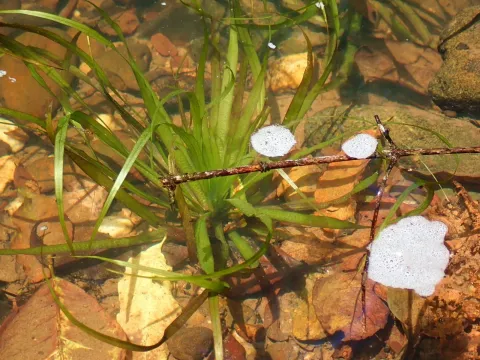
The plant features thin, blade-like leaves arranged in a dense rosette. Its appearance is highly ornamental, often used by aquascapers to create lush, grass-like foregrounds or midground accents in freshwater aquariums.
Successful cultivation requires specific environmental parameters, including a water temperature ranging between 22 and 28 degrees Celsius. The plant thrives in soft to moderately hard water with a slightly acidic to neutral pH.
A crucial factor for the growth of Blyxa malayana is high-intensity lighting combined with the systematic injection of carbon dioxide (CO2). Without these inputs, the plant struggles to photosynthesize effectively.
Nutrient-rich substrate is essential for this plant, as it derives a significant portion of its nutrients through its root system. Supplementing with iron and essential microelements is recommended for maintaining vibrant color.
Sudden changes in water chemistry are the primary stress factor for the plant. Fluctuations in hardness or pH often cause the plant to drop its leaves and weaken its structural integrity.
Algae infestations, particularly hair algae and black beard algae, pose a significant threat. These organisms can quickly overwhelm the delicate leaves of the Blyxa, inhibiting its access to light.
Root rot is a common ailment associated with an anaerobic substrate or poor water circulation in the lower layers of the aquarium. This condition is often fatal to the plant if not addressed immediately.
Invertebrate pests, specifically certain species of snails, may graze on the soft tissues of the leaves, damaging the plant's aesthetic value and potential for propagation.
Nutrient deficiencies, particularly regarding potassium and nitrates, manifest as chlorosis or necrosis on the leaf tips. Regular water testing and corrective fertilization are vital for long-term health.