
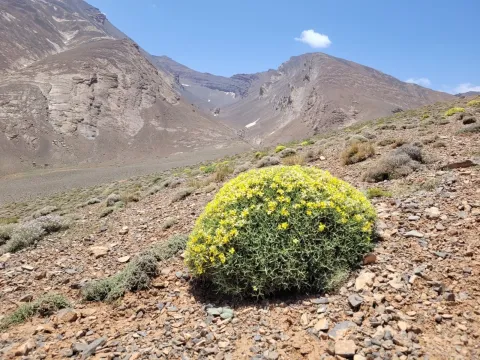
Boleum
Boleum
Boleum belongs to the Brassicaceae family and is considered a niche crop with specific cultivation requirements. Successful germination begins with careful seed selection and proper soil preparation to ensure an optimal seed-to-soil contact.
What the section contains
Boleum
Sowing typically occurs in early spring, allowing the plants to establish a strong root system before the onset of the summer heat, which is critical for final production.
Seeds should be planted at a shallow depth of approximately 1 to 2 centimeters. This depth ensures that the seedlings emerge quickly without exhausting their internal energy reserves.
Proper spacing between rows is essential for the healthy development of the plant, as it allows for better air circulation and reduces the risk of moisture-related fungal diseases.
After sowing, maintaining consistent soil moisture is vital until the seedlings reach the stage of two or three true leaves, providing a stable environment for growth.
The plant thrives in well-drained, sandy-loam soils with a neutral pH level. Proper aeration of the root zone is a primary requirement for the healthy development of Boleum.
Sunlight exposure is a major factor in the success of the crop. It requires full sun conditions throughout the growing season to maximize photosynthetic activity and biomass production.
Boleum shows significant drought tolerance once established, but providing supplemental water during critical growth phases, such as flowering, can lead to better crop outcomes.
Temperature fluctuations should be monitored; while the plant is hardy, excessive heat during the flowering phase can cause pollination issues and lower seed yield.
Fertilization should focus on potassium and phosphorus inputs to support cell wall development and overall stress resistance throughout the plant's life cycle.
Common pests include crucifer flea beetles, which can cause severe damage during the early stages of growth, potentially leading to total loss of the crop if not managed.
Fungal pathogens such as root rot can occur if the field is poorly drained. Avoiding over-irrigation is the best preventative strategy for maintaining a healthy stand.
Integrated pest management (IPM) practices, including crop rotation and the use of trap crops, are highly recommended to minimize the reliance on chemical pesticides.
Regular scouting of the fields is essential to detect early symptoms of disease or infestation, allowing for timely intervention before the problem reaches an economic threshold.
Maintaining field hygiene, such as removing crop residues, helps disrupt the life cycle of common pests and pathogens that may survive in the soil from previous seasons.