
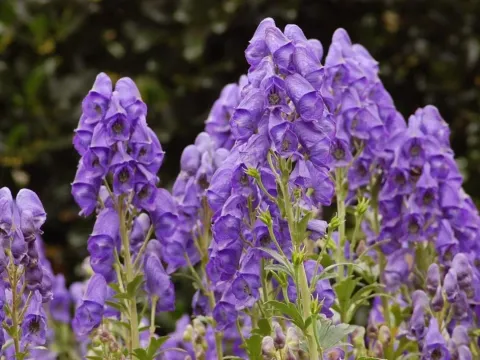
Aconitum palmatum
Aconitum palmatum
Sowing of Aconitum palmatum seeds is typically performed in late autumn, allowing the seeds to undergo natural winter stratification, which is crucial for breaking dormancy.
What the section contains
Aconitum palmatum
If sowing is planned for the spring, seeds must be subjected to artificial stratification in a cold environment (2–5 degrees Celsius) for several months to ensure successful germination.
The seeds should be sown in shallow furrows, no deeper than 1–2 centimeters, into a well-prepared seedbed that is moist but free-draining to prevent seed rot.
Emergence can be erratic and slow, sometimes taking several weeks, which necessitates keeping the soil surface consistently moist but avoiding saturation during the critical germination phase.
Once seedlings have developed at least two true leaves, they should be carefully transplanted to their permanent growing location with adequate spacing to ensure future airflow.
Aconitum palmatum, belonging to the Ranunculaceae family, thrives best in partially shaded environments that mimic its natural mountainous habitats, away from harsh midday sun.
The ideal soil is rich in organic matter, slightly acidic to neutral in pH, and possesses an excellent structure to support the development of its fleshy, tuberous root systems.
Proper drainage is the most vital requirement, as this species is highly susceptible to root decay if water accumulates around the base of the plant during periods of dormancy.
Routine cultivation involves managing moisture levels through organic mulching, which helps to keep the roots cool and maintains the hydration levels preferred by the species.
The plant is highly hardy and generally tolerates low temperatures well, provided the growing site does not become excessively waterlogged during the autumn and winter months.
The most prevalent diseases include various forms of fungal wilt and root rot, which typically manifest when soil moisture is managed poorly or drainage is insufficient.
Powdery mildew is a common seasonal issue, especially in late summer, and can be mitigated by ensuring proper plant spacing to allow for adequate air circulation around the foliage.
Aphids and spider mites are the primary pests that attack the tender shoots and leaves, potentially causing stunted growth and reducing the overall vigor of the perennial plant.
Nematodes residing in the soil can cause significant damage to the root system, which necessitates the use of healthy planting stock and regular site sanitation measures.
Integrated pest management strategies are recommended, utilizing biological or chemical controls cautiously, given the inherent toxicity of the plant which can influence its reaction to treatments.
Harvesting for medicinal use is conducted only after the plants have reached maturity, usually in their third or fourth year of growth, when alkaloid content is at its peak.
The primary harvest target is the rootstock, which is excavated in late autumn once the above-ground biomass has withered and the energy has shifted to the storage organs.
Roots must be handled with extreme caution using protective gear, as all parts of the Aconitum palmatum contain potent toxins that can be absorbed through the skin or mucous membranes.
Processing involves thorough cleaning to remove soil particles followed by controlled low-temperature drying to preserve the chemical constituents of interest for the pharmaceutical industry.
Final storage must be in secure, clearly labeled, and non-accessible areas to prevent accidental ingestion or contact by unauthorized individuals, emphasizing its status as a toxic crop.