
Spearmint
Mentha spicata L.
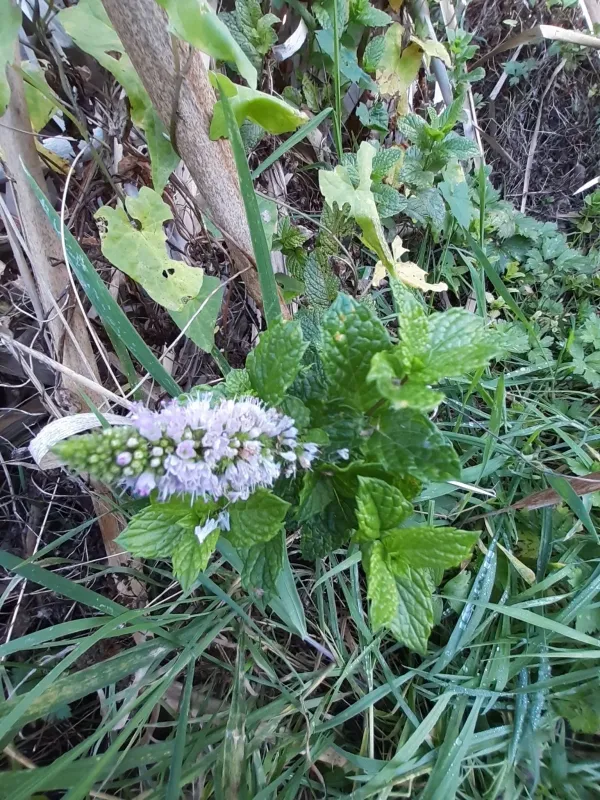
Description
Sowing dates
Spearmint is primarily propagated vegetatively using rhizome cuttings or segments of root systems. The optimal time for establishing plantations is early spring, once the soil reaches a temperature of 8-10 degrees Celsius, or during the second half of August.
When using seeds, planting is carried out in greenhouses for transplanting in March, as seeds have low germination rates and require stable environmental conditions. Seedlings are transplanted into open fields once stable, warm weather is established.
A crucial factor during sowing is the depth: since the seeds are very small, they should be distributed superficially, barely covered with substrate, or pressed gently into the soil. Row spacing for commercial cultivation is between 45 and 60 centimeters.
The plant has high growth energy, so rhizomes quickly colonize the available space. It is recommended to renew plantations every 3-4 years, as leaf size tends to decrease and essential oil yield drops over time.
Spearmint tolerates high planting density well, which helps suppress weeds in the early stages of growth by shading the soil surface once the foliage closes.
Growing requirements
This crop belongs to the Lamiaceae family. It prefers fertile, moisture-retentive soils with a neutral or slightly acidic pH, such as loams or well-cultivated peaty soils with good drainage.
Spearmint is a light-loving plant but can tolerate light shade. However, a significant lack of sunlight leads to a reduction in the concentration of aromatic compounds in the leaves.
The plant is moderately demanding regarding temperature. It is quite winter-hardy, although in regions with severe, snowless winters, mulching is required to prevent the root system from freezing.
Special attention should be paid to water availability during the period of intensive stem growth. Drought leads to tissue hardening and a sharp decline in the quality of raw material destined for pharmaceutical or food industries.
For successful cultivation, waterlogging must be avoided, as stagnant water promotes root rot and reduces the overall productivity of the plantation.
Yield
The yield of spearmint depends on soil fertility and the frequency of harvests. Under intensive cultivation, it is possible to carry out two full harvests per season from a single plantation.
On average, with proper care, one hectare can produce between 15 and 25 tons of green biomass. The dry leaf yield accounts for approximately 20-25% of the fresh biomass weight.
Essential oil content varies depending on the plant's growth stage. Maximum concentration is typically observed during the mass flowering phase, which serves as the primary indicator for harvesting.
Nitrogen fertilizer application stimulates vegetative growth, but excessive amounts can negatively affect the aromatic profile. The use of balanced mineral fertilizers is highly recommended.
When all agronomic standards are met, the productive life of a plantation can be maintained for up to 5-6 years, although peak yield figures are usually recorded in the 2nd and 3rd years.
Main diseases and pests
Spearmint is susceptible to several pathogens that can significantly reduce yields. The most dangerous fungal diseases include anthracnose and septoria leaf spot, which target the foliage.
Plant rust can destroy large portions of the crop, manifesting as characteristic pustules on the underside of leaves. In humid conditions, rhizoctonia and sclerotinia rot are also prevalent.
Verticillium wilt is a serious threat, causing rapid plant death by attacking the vascular system. Since effective treatments are limited, crop rotation is of vital importance for long-term health.
Among pests, root-knot nematodes cause the most significant damage to root systems, while aphids and leafhoppers can also affect foliage. Additionally, instances of tomato mosaic virus, transmitted by aphids, have been reported.
Disease prevention involves using healthy planting material, implementing proper crop rotation, and maintaining spatial isolation between fields of different planting ages.
Harvesting
Harvesting is carried out during the full flowering phase when essential oil content is at its peak. At this stage, the plant exhibits the most intense aroma, which is critical for industrial processing.
Mowing of the green biomass is performed at a height of 5-8 centimeters above the soil level. Cutting too low can damage the regenerative buds, negatively impacting the plant's winter survival.
After harvesting, the material must be transported to processing or drying facilities as quickly as possible. Delays can cause the biomass to overheat, resulting in the loss of volatile essential oil components.
Drying is performed in shaded, well-ventilated areas or specialized dryers at temperatures not exceeding 40 degrees Celsius to preserve the integrity of the aromatic profile.
Following the main harvest, a deep irrigation and fertilization are recommended to stimulate root system development before the plant enters its winter dormancy period.