
Lemon mint
Mentha aquatica L. var. citrata (Ehrh.) Fresen.
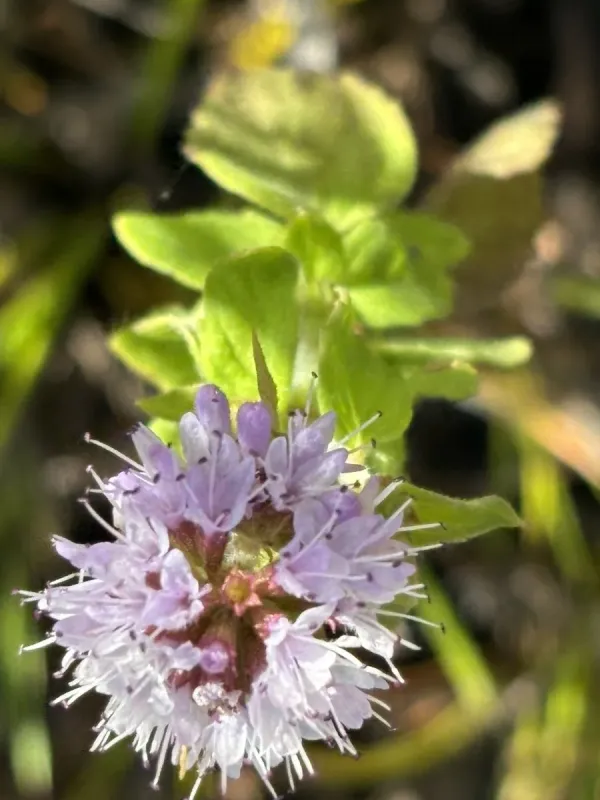
Description
Sowing dates
Lemon mint is predominantly propagated through rhizome division or stem cuttings, which ensures the maintenance of its unique citrus-scented genetic profile. The best time for planting is early spring after the soil has thawed or during late summer to allow for root establishment before the frost.
When growing from seeds, start sowing indoors in early March using a high-quality, sterile seed-starting mix. Maintain a temperature around 20 degrees Celsius and provide adequate light to prevent the seedlings from becoming leggy and weak before transplanting.
It is vital to prepare the site by removing perennial weeds, as young mint plants are poor competitors against aggressive species like couch grass. Planting spacing should ideally be set at 30 cm between plants and 60 cm between rows to allow for efficient aeration and mechanical weeding.
The planting material should be sourced from healthy, disease-free parent plants to avoid introducing pathogens into your soil. When dividing existing clusters, ensure each segment has a healthy root section and at least three nodes for rapid regrowth.
After transplanting, water the area thoroughly to settle the soil around the roots and minimize transplant shock. Consistent soil moisture during the first few weeks is crucial for the establishment of a robust root system capable of supporting heavy foliage growth.
Growing requirements
Lemon mint, a member of the Lamiaceae family, thrives in fertile, loamy soils that possess high moisture retention capabilities. It performs best in a slightly acidic to neutral soil environment, with a preferred pH range between 6.0 and 7.0.
While the plant can tolerate partial shade, full sun is required to maximize the concentration of volatile essential oils in the leaves. In areas with extreme summer heat, light afternoon shade can help protect the leaves from scorching and preserve the delicate citrus aroma.
Water requirements are relatively high, as the plant does not tolerate drought well. Drip irrigation systems are highly recommended for large-scale operations to maintain consistent soil moisture without wetting the leaves, which reduces the risk of fungal disease development.
Soil nutrient management should focus on balanced fertilization. An excess of nitrogen will boost vegetative growth but significantly diminish the oil quality and aroma potency. Using slow-release organic compost is preferred to ensure a steady supply of nutrients throughout the growing season.
Lemon mint is a hardy perennial, but in regions with harsh winters, a layer of mulch is recommended to protect the crown and roots. This also helps in suppressing weed growth and maintaining soil structure for the next year’s vegetative cycle.
Yield
The yield of Lemon mint is generally calculated based on the weight of the fresh foliage or the total volume of essential oil extracted after distillation. With proper field management, growers can expect to harvest between 15 to 25 tons of raw material per hectare annually.
The essential oil content is highly dependent on environmental conditions, particularly the number of sunny hours per day. Harvesting at the peak of the flowering stage typically yields the highest concentration of oil, which is valued for its rich, lemon-like fragrance.
Plantations are typically productive for 3 to 4 years before productivity begins to decline due to rhizome matting and soil depletion. Rotating crops after this period is a standard practice to maintain overall soil health and prevent the buildup of soil-borne pathogens.
To maximize yields, secondary growth should be managed through timely pruning or harvesting. Two to three cuts per season are possible under favorable climatic conditions, provided that the plants receive adequate irrigation and nutrient support after each harvest.
Efficiency in harvesting is critical, as leaf quality significantly impacts market value. Minimizing leaf damage during the mechanical harvesting process ensures that the plant material remains uniform and free from impurities, which is essential for pharmaceutical and cosmetic applications.
Main diseases and pests
Mint rust is the most significant disease affecting Lemon mint, often spreading rapidly in humid, stagnant conditions. It manifests as pustules on the undersides of leaves, which can cause severe defoliation and reduced overall plant health if left untreated.
Powdery mildew is another common issue caused by overcrowding and poor ventilation within the foliage. Managing plant density and ensuring airflow around the base of the plant are the most effective preventive measures against this fungal pathogen.
Pests such as mint beetles and various weevils can cause significant damage to young leaves, often leaving them riddled with holes. Given that this is an aromatic crop, the use of chemical pesticides should be minimal and restricted to organic-approved solutions.
Root rot often occurs in poorly drained or waterlogged soils, leading to the yellowing of foliage and eventual death of the plant. Ensuring that the soil structure is friable and that drainage is efficient is the best way to avoid these subsurface problems.
Nematodes can pose a threat to the root system, causing stunted growth and reduced oil output. Implementing crop rotation cycles and growing cover crops that have natural nematicidal properties can help suppress these soil-dwelling pests effectively.
Harvesting
Harvesting should ideally occur on a dry, sunny morning after the dew has evaporated, as this is when the essential oil concentration in the leaves is at its daily peak. Waiting for the right weather ensures the highest quality product for oil extraction.
Plants should be cut approximately 5–10 cm above the ground to promote rapid secondary growth and ensure the plant's survival for the next cutting cycle. Avoid cutting too low to protect the dormant buds located on the rhizomes near the soil surface.
After the harvest, raw material must be transported to the processing facility immediately to prevent overheating and the subsequent loss of volatile oils. Proper handling prevents fermentation and microbial growth within the harvested mass.
Drying the foliage should be conducted in well-ventilated, shaded areas at temperatures not exceeding 40 degrees Celsius. High temperatures during the drying process will lead to the rapid evaporation of the essential oils, significantly lowering the commercial value of the crop.
The final dry product should be packaged in airtight containers and stored in a cool, dark environment. This prevents oxidation and ensures that the delicate lemon fragrance is preserved for as long as possible before the oil extraction process occurs.