
Loose-flower mint
Mentha laxiflora Benth.
Description
Growing requirements
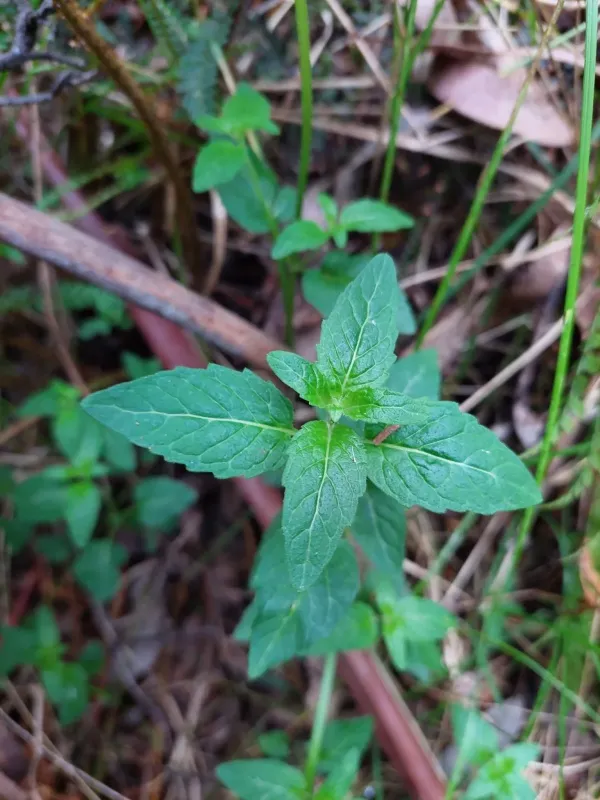
Loose-flower mint (Mentha laxiflora) is a unique perennial herb belonging to the Lamiaceae family. Native to the Australian region, this species is botanically distinct due to its loose, elongated floral spikes, which differentiate it from the more compact growth habits of common garden mint varieties.
The crop thrives in temperate climates and requires a sunny location to maximize the production of aromatic essential oils. It is highly adaptable but performs best in well-drained, fertile soils that are rich in organic matter. Waterlogged conditions are detrimental to the plant, often leading to rapid root decay.
Agronomic management involves careful soil preparation, ensuring a pH level close to neutral. Regular soil aeration is essential for optimal root development, as the plant prefers soils that allow for efficient gas exchange. Mulching can be beneficial in certain climates to maintain moisture and suppress weed growth.
Temperature sensitivity is a key factor in cultivation; while Mentha laxiflora can withstand minor fluctuations, protecting the plants from severe frost is necessary for maintaining the vigor of the rhizomes. In cooler zones, implementing seasonal protection measures ensures the longevity of the plant stand.
Nutrient management focuses on nitrogen, phosphorus, and potassium balance. Providing balanced fertilization during the active spring growth phase promotes lush foliage, which is the primary economic component of the plant. Monitoring leaf health throughout the growing season is crucial for high-quality production.
Main diseases and pests
The primary threats include powdery mildew and rust, which often occur when plant spacing is inadequate or air circulation is poor. Effective disease control is achieved through proper density management and selective pruning of infected plant materials to stop the spread of spores.
Pest management focuses on controlling aphids and spider mites, which can proliferate during dry spells. Biological control methods, such as introducing predatory insects, are highly recommended in sustainable farming systems to preserve the purity of the harvested raw plant material.