
Australian mint
Mentha australis R. Br.
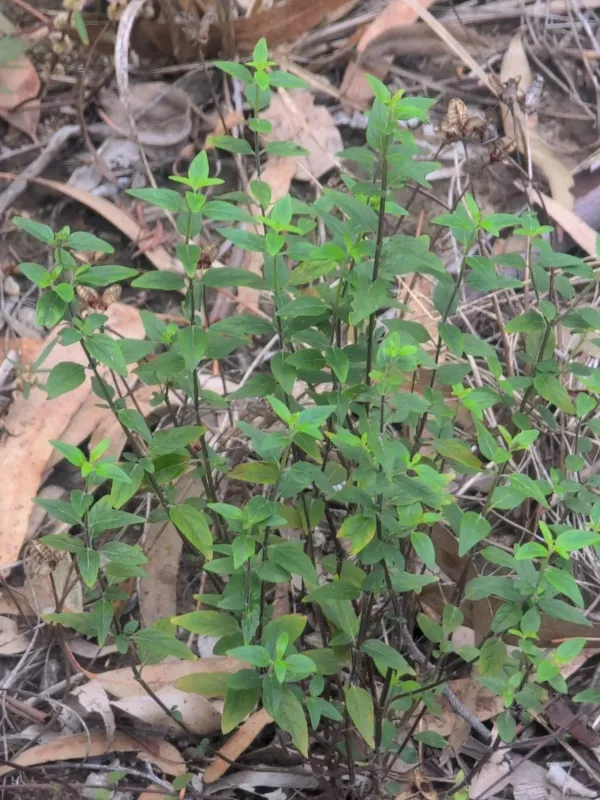
Description
Sowing dates
Sowing seeds of Australian mint is best carried out in the spring when temperatures consistently range between 15 and 18 degrees Celsius. The seeds should be sown on the surface of a light, moist substrate, as they require sufficient light to germinate successfully.
Seedlings should be hardened off before being transplanted into the open field once all threats of spring frost have passed. Proper spacing, typically 40 to 50 centimeters between rows, is essential for healthy development and good air circulation around the plants.
Vegetative propagation via cuttings or rhizome division is a common and reliable method for establishing a consistent crop. This approach ensures that the new plants retain the desirable genetic traits of the parent stock, leading to uniform growth.
When selecting a planting site, it is crucial to avoid areas where Lamiaceae species have been grown previously. This simple crop rotation practice helps minimize the risk of soil-borne pathogens specific to this plant family.
For large-scale cultivation, drip irrigation systems are highly recommended. These provide consistent moisture directly to the root zone, which significantly improves the growth rate and ensures a higher quality of green biomass.
Growing requirements
Australian mint (Mentha australis) is a member of the Lamiaceae family. It is a hardy, perennial herb native to Australia, where it naturally thrives in damp environments, such as riverbanks and shaded woodland areas.
The plant requires fertile, well-drained soil with a neutral to slightly acidic pH. While it is adaptable to various soil types, it performs best in rich, organic-heavy soil that retains moisture without becoming waterlogged.
Australian mint prefers partial shade, especially in regions with intense summer heat. While it can tolerate full sun, excessive exposure can lead to leaf yellowing and a reduction in the plant's essential oil content.
Regular watering is essential, particularly during the active growing phase. The soil should be kept consistently moist but not saturated, as prolonged waterlogging can quickly lead to root rot and other fungal complications.
To support high biomass production, applying balanced nitrogen-rich fertilizers early in the season is beneficial. Supplementing with potassium and phosphorus during the budding phase further enhances the aromatic quality of the harvested leaves.
Main diseases and pests
Fungal diseases like powdery mildew and rust are the most common threats to Australian mint, especially in humid conditions with poor ventilation. Maintaining proper spacing and removing debris can help mitigate these issues.
Pests such as aphids and spider mites can cause significant damage by feeding on the sap of young stems and leaves. Regular monitoring of the foliage allows for early detection and targeted management of these populations.
Integrated pest management, including the use of neem oil or biological controls, is preferred over chemical interventions, especially when the mint is intended for culinary or medicinal use. This ensures the safety and purity of the harvest.
Nematodes can be a concern if proper soil health management is neglected. Rotating the crop and ensuring a clean field free of host weeds are vital steps in preventing the buildup of these microscopic soil pests.
In addition to pests, weed competition can significantly stunt the growth of Australian mint. Maintaining a weed-free environment through manual cultivation or mulching ensures that the plants have adequate access to nutrients and water.
Harvesting
Harvesting is ideally performed during the peak of the flowering season, when the leaves contain the highest concentration of volatile oils. This timing guarantees the most robust flavor and aroma for the end product.
Stems should be cut approximately 5 to 10 centimeters above the ground to encourage the plant to regenerate for subsequent harvests. In favorable climates, farmers can typically expect two to three harvests within a single season.
Immediate processing is required to preserve quality. The harvested stems should be dried in a cool, dark, and well-ventilated area, away from direct sunlight, which would otherwise degrade the delicate essential oils.
Once thoroughly dried, the leaves should be stripped from the stems and stored in airtight, opaque containers. Proper storage maintains the aromatic profile and potency of the herb for an extended period.
Australian mint serves various purposes, including being a premium culinary herb, a refreshing ingredient in herbal infusions, and a source of natural aromatic extracts for the botanical and cosmetic industries.