
Water mint
Mentha aquatica L.
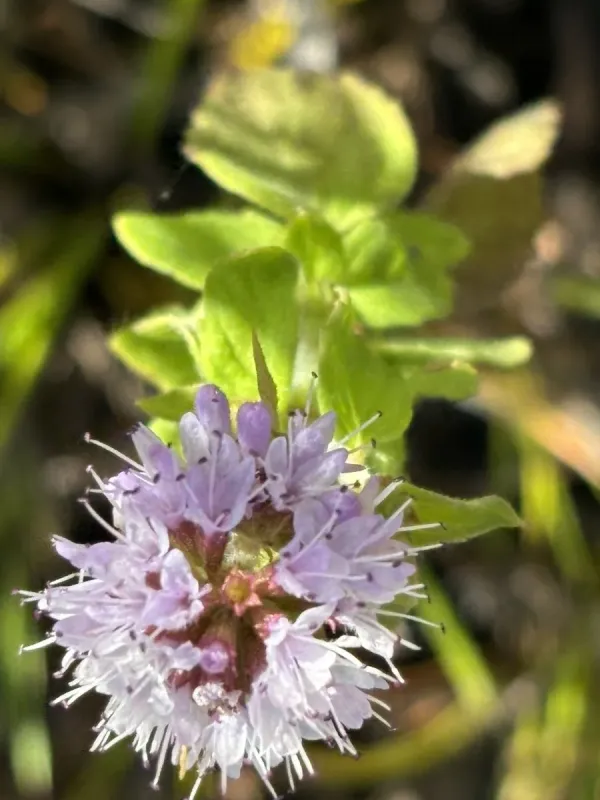
Description
Sowing dates
Water mint (Mentha aquatica) is predominantly propagated through vegetative means, specifically by dividing rhizomes or taking stem cuttings during the spring season.
Planting should occur once the soil or substrate has warmed up, ensuring the root system can establish itself before the peak of summer growth.
When planting, spacing of 30–40 cm is recommended to allow the creeping rhizomes to spread effectively while maintaining adequate air circulation.
Starting the crop in a controlled nursery environment before transplanting into wetland or moist sites can significantly improve survival rates for commercial plots.
Direct seeding is rarely practiced in commercial agriculture due to the tiny size of the seeds and their specific germination requirements.
Growing requirements
As a member of the Lamiaceae family, water mint is a hydrophytic plant that thrives in saturated soils, riverbanks, and shallow water margins.
It requires consistent moisture levels and is highly tolerant to waterlogging, making it an ideal candidate for riparian restoration or swampy field cultivation.
The plant prefers fertile, loamy soils rich in organic matter, which helps maintain the required hydration levels throughout the growing season.
Water mint prefers full sun exposure to maximize the synthesis of essential oils, although it can tolerate partial shade if the soil moisture is sufficient.
This species is hardy and capable of surviving harsh winters in temperate climates, making it a perennial crop that does not require seasonal replanting.
Yield
The yield of water mint depends heavily on the water management practices and the organic content of the soil, typically ranging from 15 to 25 tons per hectare.
Regular harvesting and proper soil fertility management can sustain high production levels over several years of the plant's life cycle.
High nitrogen levels during the early vegetative phase stimulate lush green foliage, which is critical for biomass production in essential oil extraction.
The concentration of essential oils is highest during the flowering stage, which serves as the optimal target window for harvesting the crop.
Post-harvest management, including rapid drying and proper storage, is essential to minimize the loss of volatile compounds and maintain market value.
Main diseases and pests
The most common disease affecting water mint is rust, which creates unsightly lesions on the leaves and can significantly reduce the quality of the harvested biomass.
Powdery mildew and various root rots are frequent issues in areas where air circulation is poor or where humidity levels remain excessively high for extended periods.
Pests such as aphids and leaf beetles can cause substantial damage to tender shoots, hindering the overall growth and health of the plantation.
Integrated Pest Management (IPM) practices are highly recommended to control these issues without compromising the quality of the medicinal herb.
Maintaining clean planting sites and monitoring plant health regularly helps in early detection of potential outbreaks, preventing widespread infection.
Harvesting
Harvesting water mint is timed to coincide with the onset of flowering, as this is when the secondary metabolites and oils are most concentrated in the foliage.
Cutting should be performed at a height that allows the plant to regenerate, typically leaving 10–15 cm of the lower stem and foliage intact.
The harvested material must be processed immediately to prevent wilting and the subsequent enzymatic degradation of its aromatic oils.
Drying is performed in dark, well-ventilated sheds to preserve the vibrant color and pungent aroma, avoiding temperatures that might cause oil evaporation.
Once dried, the product should be stored in air-tight, light-proof containers to preserve its pharmacological and culinary properties for an extended shelf life.