
Apple mint
Mentha x rotundifolia (L.) Huds.
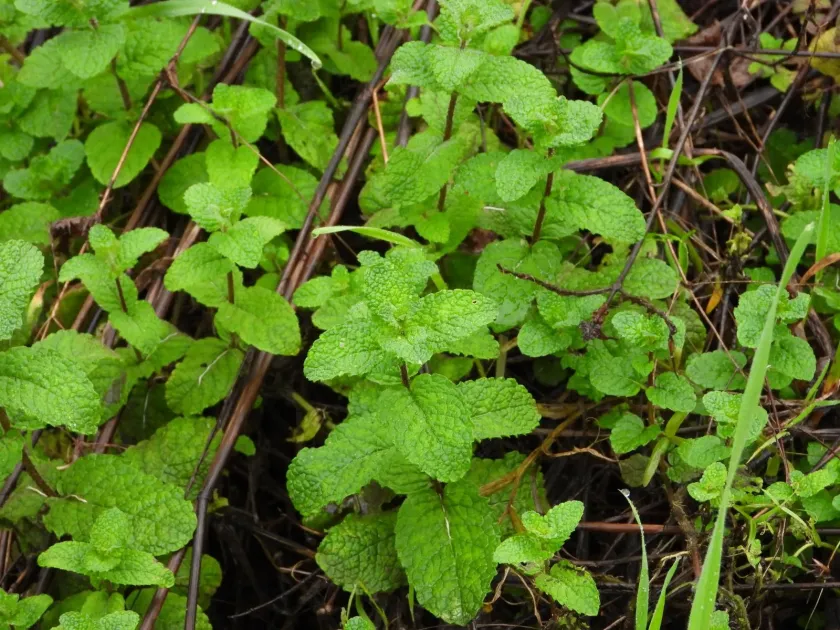
Description
Sowing dates
Apple mint (Mentha x rotundifolia) is a perennial herbaceous plant belonging to the Lamiaceae family. In commercial agriculture, the crop is primarily propagated through vegetative methods, such as root division or stem cuttings, to ensure the preservation of the plant's unique aromatic traits.
The optimal time for planting is during early spring once the soil temperature reaches 8–10 degrees Celsius. Autumn planting is also viable, provided there is enough soil moisture for the roots to establish before the onset of frost.
For plantation establishment, row planting is recommended with spacing between rows of approximately 60–70 cm. Plants should be set about 30 cm apart within the rows, allowing for vigorous spreading and the formation of a dense, uniform cover.
Using a nursery-raised transplant method with rooted cuttings is common for large-scale production. This approach ensures high survival rates and uniform plant development once moved to the field after the danger of spring frost has passed.
Preparation of the site is critical; the soil must be free of perennial weeds, as apple mint is sensitive to nutrient competition during its initial growth phase. Deep tilling and site sanitation are essential for a successful start.
Growing requirements
Apple mint thrives in fertile, well-drained loamy or sandy soils with a neutral or slightly acidic pH. The plant is highly intolerant to waterlogging; therefore, areas with poor drainage or high water tables should be avoided to prevent root rot.
As a sun-loving crop, apple mint performs best in full sun, though in regions with extreme heat, partial shade during the afternoon can improve leaf quality. Adequate sunlight is essential for the accumulation of essential oils, which give the plant its characteristic aroma.
Consistent moisture is required throughout the growing season. Irrigation should be managed to keep the soil moist but not soggy, as drought stress causes leaves to toughen and significantly reduces the intensity of the mint's fragrance.
Fertilization with nitrogen-rich organic or mineral fertilizers is beneficial for promoting foliage growth. Applying compost annually helps maintain soil structure and provides the slow-release nutrients necessary for sustained high yields.
While the plant is winter-hardy, in areas with harsh winters and little snow cover, applying mulch around the base can protect the root system from extreme temperature drops and prevent frost-heaving of the rhizomes.
Yield
The yield of apple mint is highly dependent on soil fertility and the frequency of harvests. Under optimal management, farmers can achieve 2 to 3 harvests per growing season, providing a significant volume of fresh herb biomass.
Peak productivity occurs during the second and third years of the plantation. As the rhizomes become densely matted after 4–5 years, leaf size tends to decrease, which necessitates periodic field renovation and replanting to maintain quality.
Harvesting is best timed for the phase of mass flowering, as the concentration of essential oils in the leaves is at its maximum. This timing is critical for producing high-quality essential oils or dried aromatic products.
The plant regenerates quickly after harvesting if provided with adequate moisture. It is advisable to leave a stubble height of 5–7 cm to stimulate the development of new stems and ensure consistent subsequent yields throughout the year.
Apple mint is extensively used in the food industry, cosmetics, and herbal medicine. Its mild, non-bitter flavor profile makes it ideal for teas, desserts, infusions, and as a fresh garnish in culinary applications.
Main diseases and pests
Mint rust is the most serious disease affecting this crop, manifesting as reddish-brown pustules on the undersides of the leaves. Infected plants should be removed immediately to prevent spread, and fungicides may be necessary in extreme cases.
Powdery mildew is common in overly dense plantings with poor air circulation. Managing plant density and ensuring proper field ventilation are essential preventive measures to reduce humidity around the base of the plant.
Pests such as the mint leaf beetle and spider mites pose significant threats. These insects can rapidly defoliate plants, making the crop unsuitable for commercial use, so early detection and integrated pest management are highly recommended.
Aphids often colonize the tender tips of stems, stunting growth. Biological controls, such as introducing beneficial insects, are preferred for herb production, especially for crops intended for culinary or medicinal use.
Strategic crop rotation is vital. Avoiding planting mint in the same location for more than 4–5 years helps minimize the build-up of host-specific soil-borne pathogens and pests, ensuring the long-term health of the plantation.
Harvesting
Harvesting should be done on a dry day, preferably in the morning after the dew has evaporated but before the heat of the day causes essential oils to dissipate. This timing preserves the maximum aromatic potential of the harvest.
Freshly cut mint must be moved to the processing or drying facility without delay. Stacking cut material in large piles can cause overheating and fermentation, which leads to rapid spoilage and a loss of product quality.
Drying should take place in shaded, well-ventilated areas to protect the leaves from UV degradation. Temperatures should be kept between 35 and 40 degrees Celsius to ensure efficient moisture removal without compromising the delicate aromatic oils.
Once dried, the leaves are stripped from the stems, which are typically discarded. A high-quality final product should display a vibrant green color, possess a distinct apple-like scent, and be free of dirt, debris, or contaminants.
Storage of the finished product requires airtight, light-protected containers in a cool, dry environment. Proper packaging prevents the absorption of foreign odors and ensures the longevity of the herb's sensory properties.