
Aphelenchoid nematode
Aphelenchoides parietinus
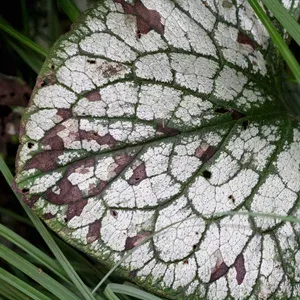
Description
Symptoms
The presence of the Aphelenchoid nematode is characterized by chlorotic spots on the leaf surfaces, which gradually turn brown or necrotic.
Infested plants, such as peppermint, spearmint, and field mint, exhibit leaf deformation, curling, and premature drying of leaf edges.
Plants display stunted growth, shortened internodes, and a general decline in canopy density, significantly affecting the overall stand health.
In severe cases, the terminal buds may die, leading to increased lateral branching or the complete cessation of vertical growth.
Symptoms are often confused with fungal infections or nutrient deficiencies, necessitating laboratory examination of plant tissues for confirmation.
Pathogen
The causative agent is Aphelenchoides parietinus, a microscopic plant-parasitic nematode belonging to the order Tylenchida.
This endoparasite invades the host plant through stomata or wounds, residing within the mesophyll tissues where it feeds on plant cells.
The nematode secretes enzymes during feeding that disrupt cell walls and metabolism, leading to tissue necrosis and stunted plant development.
The life cycle is completed entirely within the host plant, allowing for rapid reproduction and population growth under suitable environmental conditions.
The pathogen is highly resilient and can survive in soil or plant debris for extended periods, waiting for suitable hosts to colonize.
Conditions for development
High humidity and consistent soil moisture are essential for the migration of nematodes across the surfaces of host plants.
Optimal temperatures for development range from 18 to 25 degrees Celsius, which often overlap with the peak growing season of the host mint crops.
Dissemination is primarily achieved through infected vegetative propagation material and the movement of contaminated water during irrigation or rainfall.
Field operations, such as harvesting or cultivation, can spread the nematode through contaminated soil adhering to machinery and equipment.
Prior damage to roots or stems caused by other pests often creates entry points, facilitating the infestation of Aphelenchoides parietinus.
Why it matters
The primary economic impact is a drastic reduction in biomass yield, which is essential for the production of essential oils and dry herbs.
Nematode infestation negatively affects the concentration of menthol and other secondary metabolites, rendering the crop less valuable.
Stressed plants become more susceptible to other pathogens and winter-kill, leading to gaps in the field and increased replacement costs.
Because the nematode persists in the soil, infected fields may require long fallow periods or the abandonment of susceptible crops, causing long-term financial losses.
Management costs increase significantly due to the need for soil fumigation, rigorous inspection, and the disposal of infected plant material.
Protection
The most critical control measure is the use of nematode-free, certified propagating material to prevent the initial introduction of the pest.
Strict crop rotation protocols should be followed, ensuring that fields are not replanted with susceptible mint species for several years.
Hot water treatment of planting stock serves as an effective physical method to eliminate nematodes within the plant tissues without the use of chemicals.
- Regular sanitation of agricultural tools and machinery to prevent cross-contamination.
- Thorough removal and destruction of all infested plant material after harvest.
- Control of weed species that can serve as alternative hosts for the nematode population.
If an infestation is detected, infected patches must be removed immediately, and the soil should be treated with appropriate nematicides if authorized.
Pathogens and affected parts
Affects crops · 3
Discussion
No discussions yet — be the first.