
Field mint
Mentha arvensis L.
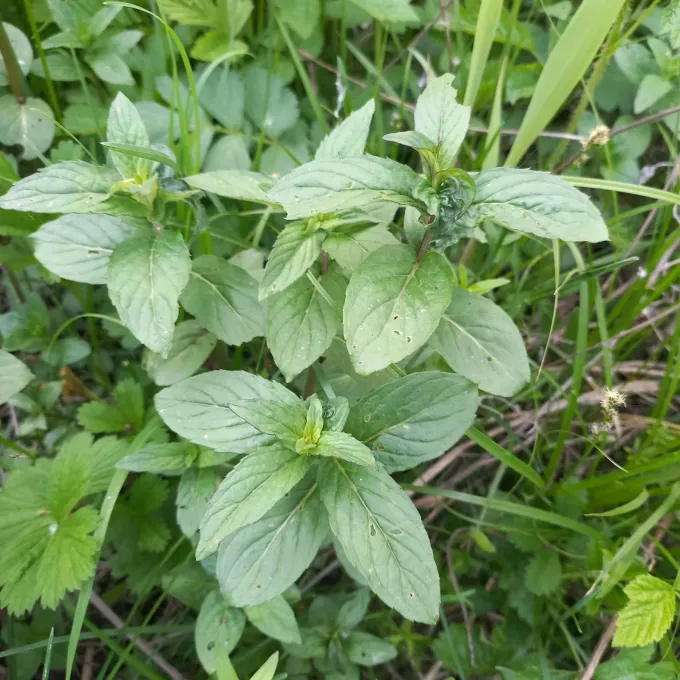
Description
Sowing dates
Field mint (Mentha arvensis L.) is a perennial member of the Lamiaceae family. In commercial agriculture, it is typically propagated vegetatively using rhizome cuttings, which ensures the genetic stability of the desired traits.
Planting occurs in early spring once soil temperatures reach 5-8 degrees Celsius or in autumn in temperate climates. Rhizomes are usually planted at a depth of 8 to 12 centimeters to encourage strong root development.
Standard agronomic practice involves spacing rows 60–70 centimeters apart. This configuration allows for optimal plant growth while facilitating mechanical cultivation and weed control operations throughout the season.
A planting density of approximately 40,000 to 50,000 plants per hectare is generally recommended. This density supports a uniform canopy, which helps suppress weeds and maximizes the overall biomass production per unit of land.
Before planting, deep plowing to a depth of 25-27 centimeters is essential, combined with the application of organic and mineral fertilizers to establish a nutrient-rich foundation for the crop.
Growing requirements
Field mint thrives in regions with adequate soil moisture throughout the growing season. The crop performs best in fertile, well-draining loams or chernozem soils with a neutral pH, ensuring robust development.
While the plant is moisture-loving, it does not tolerate waterlogging. Poorly drained soils can lead to root rot and significant yield losses. Water tables should ideally remain 60-80 centimeters below the surface.
Sufficient sunlight is critical for the biosynthesis of essential oils, particularly menthol. High-intensity light exposure during the growth phase directly correlates with the concentration and quality of the extracted oil.
Regarding temperature, field mint is hardy and can withstand cold winters with adequate snow cover. It prefers a temperate climate with an ideal growth temperature range between 18 and 25 degrees Celsius.
Ongoing care involves keeping the field free of weeds through periodic inter-row cultivation. Strategic nitrogen and phosphorus applications during peak growth phases are vital for maximizing both leaf area and oil content.
Yield
Yields of field mint biomass vary significantly based on environmental conditions and crop management. Under good conditions, producers can expect to harvest 15 to 25 tonnes of fresh aerial biomass per hectare per cut.
The yield of essential oil is highly dependent on the stage of plant maturity. Harvesting at the peak of the flowering stage is critical, as this is when the secondary metabolites reach their maximum concentration in the leaves.
Modern irrigation techniques, such as drip irrigation, can enhance yields significantly. By providing consistent water and nutrients, farmers can achieve multiple cuts per season in warmer climates.
The economic viability of the crop is driven by the global demand for natural menthol and essential oils. Markets in the pharmaceutical and food sectors remain the primary drivers for large-scale production.
Field productivity typically peaks during the second and third years of cultivation. After 4 years, rhizome density usually leads to reduced yields, necessitating a rotation strategy or field rejuvenation.
Main diseases and pests
Field mint is susceptible to several pathogens, including fungal diseases such as anthracnose, Septoria leaf spot, Rhizoctonia, and Sclerotinia. These diseases can devastate foliage and reduce oil quality.
Verticillium wilt is a major threat that can cause systemic decline and plant death across entire fields. Additionally, mint rust is a persistent issue that affects leaves and lowers the commercial value of the crop.
Viral infections, such as the Tomato mosaic virus, can impact plant vigor and biomass quality. These are often spread by insect vectors, requiring integrated pest management strategies to minimize spread.
Root-knot nematodes are significant subterranean pests that damage the root system and hinder nutrient uptake. Crop rotation and the use of certified, disease-free planting material are essential preventive measures.
Management requires a combination of fungicide application, removal of infected plant residues, and maintaining high hygiene standards during planting and harvesting to prevent the spread of soil-borne pathogens.
Harvesting
Harvesting should occur at the onset of flowering or during peak bloom. This phase ensures the highest concentration of essential oils in the plant tissue, which is the primary value driver for the crop.
Mechanical harvesting with specialized mowers is standard. The plants should be cut at a height of 5–8 centimeters to leave enough vegetative tissue for regrowth and successful overwintering of the rhizomes.
Prompt processing is essential once the mint is cut, as essential oils are volatile and dissipate rapidly. Fast transport from the field to the distillation unit is crucial to maintain oil yield and quality.
For dry herb production, the biomass should be dried in specialized units with active ventilation at temperatures not exceeding 40-45 degrees Celsius to preserve volatile aromatic compounds.
Industrial extraction is usually conducted via steam distillation. This method is the most efficient way to separate the essential oil from the plant material, ensuring high-purity yields for commercial applications.