
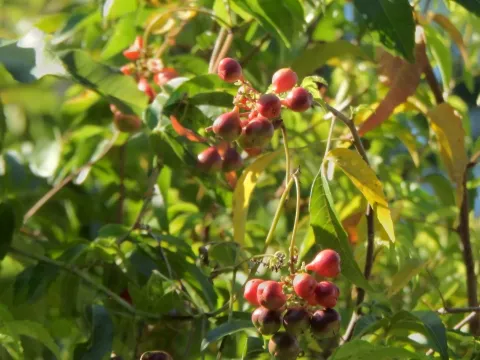
Paullinia elegans
Paullinia elegans
Paullinia elegans is a climbing woody vine species belonging to the Sapindaceae family. Known for its distinct morphological features, it is a botanical relative of the better-known guarana plant, sharing similar structural growth patterns common among tropical vines.
What the section contains
Paullinia elegans
This species is native to the tropical forests of Central and South America. In its natural habitat, it demonstrates an aggressive climbing behavior, utilizing specialized structures to ascend towards the forest canopy in search of optimal light conditions necessary for its physiological development.
To cultivate this species successfully, one must maintain a strictly tropical environment with consistent, warm temperatures and high relative humidity. It is an extremely thermophilic plant that cannot tolerate frost or temperatures below 15°C, making greenhouse or indoor control essential in temperate zones.
The soil requirements focus on high organic matter content, excellent drainage, and a slightly acidic pH level. Using a porous potting mix that mimics the rich, decomposed litter of a rainforest floor ensures that the roots receive both sufficient aeration and moisture retention.
Agricultural management of Paullinia elegans involves providing sturdy support systems, as the vine has a vigorous growth habit. Pruning is often necessary in controlled environments to maintain the desired size and shape, ensuring the plant remains manageable and healthy throughout the year.
Common pests affecting Paullinia elegans include spider mites, mealybugs, and scale insects. These pests often thrive in environments with low air circulation, making regular monitoring and mechanical cleaning or specialized treatments highly important for plant maintenance.
Fungal pathogens represent the most significant disease risk, particularly root rot triggered by waterlogged soil conditions. Ensuring proper drainage and avoiding excessive irrigation are the primary methods for preventing these serious horticultural threats.