
Paullinia fuscescens
Paullinia fuscescens
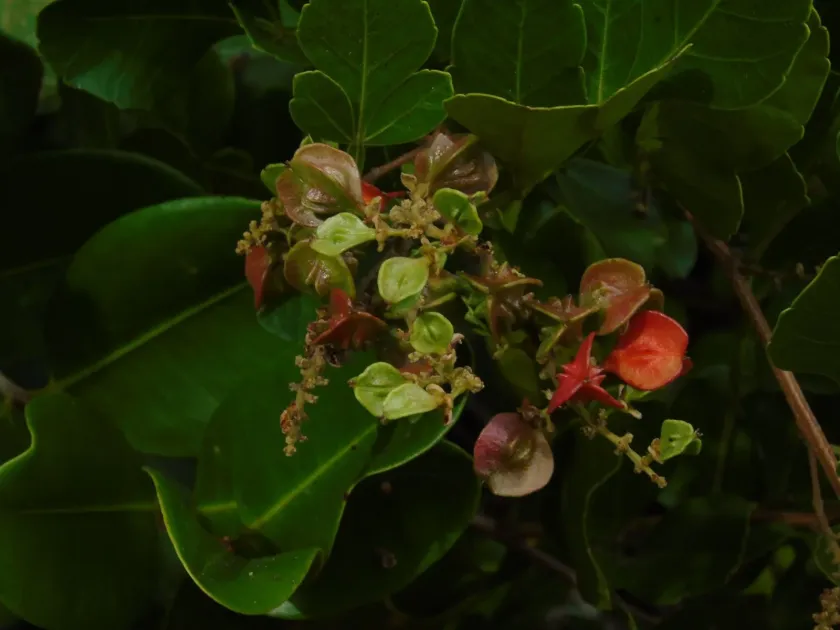
Description
Sowing dates
Paullinia fuscescens is a woody vine belonging to the Sapindaceae family. It is native to tropical ecosystems where it occupies niches in forest margins and secondary vegetation.
Propagation is typically achieved through seeds, which should be sown fresh to ensure viability. The optimal sowing depth is shallow, allowing for rapid emergence in warm, moist conditions.
Seed treatment involves removing the aril and soaking the seeds in tepid water to improve germination rates. A sterile, well-draining potting medium is essential to prevent seedling damping-off.
Vegetative propagation via stem cuttings is also a common practice among professional growers. Cuttings should be taken from vigorous semi-hardwood stems to ensure successful root development.
Early-stage growth requires stable temperatures and protection from direct, scorching sunlight. Proper spacing during the nursery phase is crucial for developing strong, healthy root systems.
Growing requirements
This species thrives in a tropical climate characterized by consistently warm temperatures. It is highly sensitive to frost and will suffer significant damage if exposed to cold drafts.
The ideal soil is rich in organic matter, slightly acidic, and possesses excellent drainage properties. Incorporating compost or leaf mold enhances the structural integrity of the substrate.
Bright, indirect light is preferred for mature specimens. While the plant can tolerate some shade, insufficient light will lead to spindly growth and reduced leaf development.
High humidity levels are necessary to mimic its native environment. Growers often utilize misting systems or greenhouses to maintain a moisture level that prevents dehydration of the leaves.
Support structures are mandatory for this climbing plant. Providing robust trellises or netting allows the vine to distribute its weight and facilitates efficient harvesting and management.
Yield
Yield estimation for Paullinia fuscescens depends largely on the intended use of its biomass. In optimal conditions, the plant displays a rapid growth rate, allowing for regular pruning.
Fruit production occurs seasonally, often following periods of increased moisture. The quantity of fruit is directly proportional to the plant's health and the availability of pollinators.
Regular maintenance, including nutrient supplementation, is key to maximizing biomass yield. Nitrogen-rich fertilizers support vegetative growth, while potassium aids in reproductive success.
Harvesting techniques should focus on sustainability to ensure the vine continues to produce for multiple seasons. Selective pruning helps stimulate the growth of new, productive stems.
Economic potential is linked to the phytochemical properties of the plant tissues. Careful handling during and after harvest preserves the chemical profile of the harvested material.
Main diseases and pests
Common pests include spider mites and scale insects, which thrive in dry air conditions. These pests can rapidly sap the plant's vitality if left unchecked.
Fungal leaf spot diseases are prevalent when air circulation is poor or humidity remains excessively high. Proper pruning and spacing are effective cultural controls.
Root rot is a significant risk caused by waterlogging. Ensuring that containers or field sites are well-drained is the most effective preventative measure against soil-borne pathogens.
Ant infestations are occasionally observed, as they may be attracted to the plant's sap or associations with scale insects. Integrated pest management strategies are recommended.
Biosecurity measures, such as quarantining new plants, are essential in nursery settings. This prevents the introduction of pests and diseases into established growing areas.
Harvesting
Harvesting usually involves collecting leaves or fruits, depending on the specific application. Manual harvesting is the standard method due to the plant's climbing nature.
It is best to conduct harvesting during the early morning hours when the plant is fully hydrated. This practice helps maintain the quality and shelf-life of the harvested parts.
Care must be taken to use sharp, sterilized cutting tools to prevent bruising the vine. Proper tool maintenance reduces the risk of accidental plant damage or disease transmission.
Post-harvest handling requires immediate cooling or drying, depending on the requirements. Storing the material in a cool, ventilated area prevents degradation and spoilage.
Records should be kept regarding the timing and volume of the harvest. This data assists in optimizing future cultivation cycles and predicting seasonal production capacity.