
Pubipalmate maple
Acer pubipalmatum
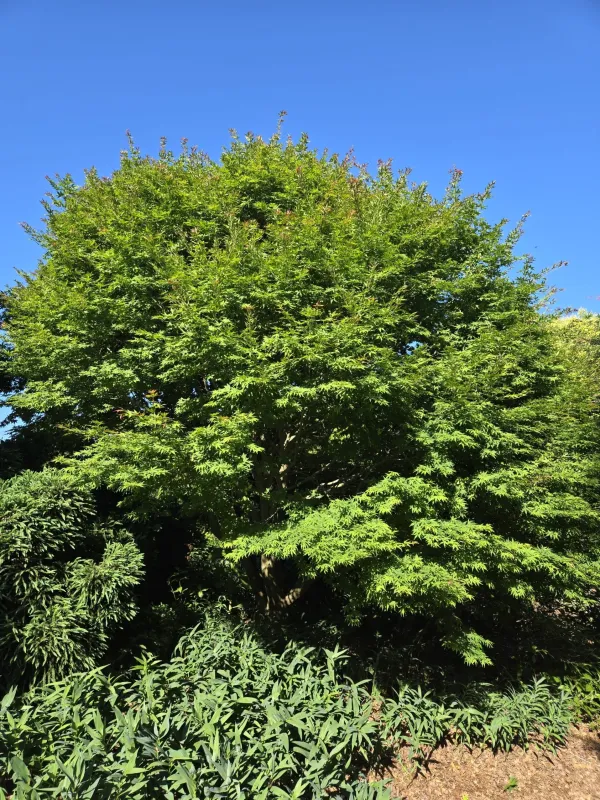
Description
Growing requirements
Pubipalmate maple (Acer pubipalmatum) is a distinct species within the Sapindaceae family. Originating from specific high-altitude regions in China, this tree is recognized for its unique, pubescent leaves which give it a delicate, textured appearance throughout the growing season.
In terms of environmental requirements, this maple thrives in cool, temperate zones with consistent moisture levels. It prefers positions sheltered from strong, drying winds, which can easily damage the delicate foliage and cause premature leaf drop in less protected environments.
Soil composition is crucial for the health of Acer pubipalmatum. It performs best in well-draining, slightly acidic to neutral soils rich in organic matter. On heavy clay sites, amendment with organic compost and the installation of a gravel drainage layer are necessary to prevent root rot.
The cultural requirements involve maintaining steady soil moisture during the spring and summer months. While mature trees possess some drought tolerance, young specimens require consistent irrigation to establish a robust root system. Mulching around the base helps stabilize temperatures.
The primary economic and aesthetic use for this maple is in ornamental horticulture. It is frequently sought after by collectors and landscape architects for use in specimen planting, rock gardens, and curated park spaces where its unique morphology can be fully appreciated.
Main diseases and pests
The most significant threats to Acer pubipalmatum involve soil-borne fungal pathogens such as Verticillium wilt. This disease blocks the tree's vascular system, causing rapid wilting and branch death; therefore, selecting disease-free sites is paramount for long-term success.
Pest pressure often comes from leaf-feeding insects and spider mites. These pests thrive in hot, dry conditions, making regular monitoring of foliage essential. Implementing integrated pest management strategies can effectively control populations without harming beneficial insects.
Powdery mildew can affect the leaves during periods of high humidity and low air circulation. Proper spacing between trees and avoiding overhead watering are effective cultural methods to reduce the incidence of this fungal issue significantly.
Borer insects may target stressed trees, often exploiting wounds or areas affected by drought. Maintaining tree vigor through balanced fertilization and proper pruning techniques is the best defense against infestation by wood-boring larvae.
Winter protection is advised for younger trees, particularly in colder latitudes. Wrapping trunks or providing windbreaks can prevent bark splitting caused by sudden temperature shifts, which serves as a common entry point for opportunistic pathogens.