
Pometia
Pometia
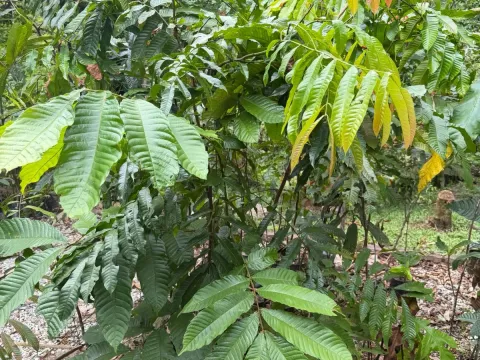
Pometia (Latin: Pometia pinnata) is a large evergreen tree belonging to the Sapindaceae family. Known in various regions by local names such as Matoa, it is highly valued for both its delicious fruit and its high-quality timber.
What the section contains


Pometia
Native to the tropical regions of Southeast Asia and the Pacific Islands, the tree thrives in humid forest environments. It is naturally adapted to high rainfall and warm temperatures, requiring constant tropical conditions for optimal biological development.
The ideal soil for Pometia cultivation is deep, nutrient-rich, and well-drained. The tree is intolerant of waterlogged soil, despite its high water requirement for growth, which necessitates the selection of sites with excellent natural drainage.
This species requires full sun exposure to produce high-quality fruits. When planted in shaded areas, the tree may grow tall but will show a significant decrease in flowering and fruit production, limiting its agricultural potential.
Beyond its culinary utility, Pometia is an important tree for agroforestry. It provides essential shade for smaller crops and contributes to soil health, provided that the planting density is carefully managed to avoid resource competition.
The most common pests affecting Pometia are fruit flies, which lay eggs in developing fruits, leading to spoilage and loss of yield. Strategic trapping and orchard hygiene are essential to control these infestations effectively.
Fungal diseases are a persistent challenge in humid environments. These pathogens often affect leaves and branches, particularly when airflow is restricted within the canopy, leading to premature leaf drop or limb decay.
Soil-borne pests and termites can pose a risk to young saplings, often damaging the root system during the establishment phase. Ensuring that the nursery stock is healthy is the first step in successful field integration.
Nutrient deficiencies can weaken the tree’s overall constitution, making it susceptible to secondary infections. Regular monitoring of leaf health and soil pH helps in maintaining the vigour required to withstand common tropical stressors.
Proper pruning practices are vital for long-term health. By removing dead wood and thinning out dense foliage, growers can increase airflow, which naturally suppresses the proliferation of many common fungal and bacterial agents.