
Plantier horse chestnut
Aesculus plantierensis
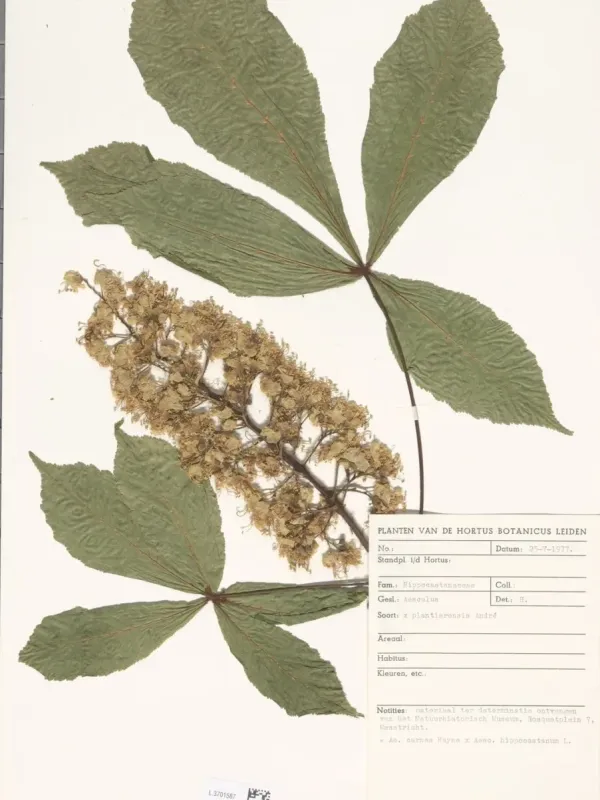
Description
Growing requirements
The Plantier horse chestnut (Aesculus × plantierensis) is a hybrid tree belonging to the Sapindaceae family. It is a sterile cross between Aesculus hippocastanum and Aesculus carnea, combining the visual appeal of its parents while producing very few or no fruit, which makes it highly desirable for urban landscape design.
The tree thrives in deep, fertile, and well-drained soils. It prefers a position in full sun to partial shade. Protection from strong, drying winds is essential, especially in the early stages of establishment, to prevent shoot damage and ensure healthy structural development.
Agricultural practices for this cultivar involve deep watering during periods of extended drought. Adding organic mulch around the root zone helps maintain soil moisture levels and improves the long-term nutritional profile of the soil.
In terms of soil requirements, a pH-neutral to slightly acidic environment is ideal. Poorly drained soils prone to waterlogging should be avoided or amended with gravel and sand to ensure the root system receives sufficient oxygen for healthy metabolic function.
Due to its high decorative value and low-maintenance characteristics regarding litter fall, the Plantier horse chestnut is widely used in park planning and municipal landscaping projects. It serves as an excellent shade tree for walking paths and recreational areas.
Main diseases and pests
The horse chestnut leaf miner (Cameraria ohridella) remains the primary pest challenge for this species. Infestations lead to premature leaf browning and significant stress on the tree, necessitating proactive monitoring and chemical treatment where permitted.
Fungal leaf blotch (Guignardia aesculi) is another common threat that can be managed through good hygiene practices. Removing fallen foliage in autumn is a critical step in reducing the overwintering population of the fungus.
Powdery mildew can affect the tree in humid conditions with poor air circulation. Proper pruning to open up the canopy significantly reduces the incidence of this fungal disease by allowing better light penetration and airflow.
Bacterial bark necrosis can weaken the wood structure. Any pruning wounds or structural cracks should be kept clean and treated appropriately to prevent pathogen entry and subsequent decay of the trunk or main branches.
Integrated pest management, involving a combination of biological controls and timely application of fungicides, is recommended to ensure the longevity and health of the tree throughout its growth cycle.