
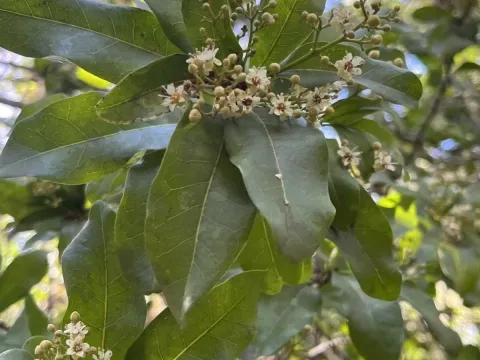
Butterbough
Exothea paniculata
Exothea paniculata, commonly known as Butterbough, is a resilient evergreen tree belonging to the Sapindaceae family. It is recognized for its dense, dark green foliage and ability to thrive in tropical and subtropical environments.
What the section contains
Butterbough
The native distribution of this species spans across the Caribbean, Mexico, and Florida. It is typically found in limestone-based forests and coastal habitats, where it has adapted to warm temperatures and high humidity levels throughout the year.
For successful cultivation, the species requires well-drained, nutrient-rich soil. It is highly sensitive to frost, which limits its outdoor planting to regions with stable warm weather conditions, preferring full sun or partial shade exposures.
Cultural practices involve maintaining a consistent moisture level for young saplings until they become established. Once mature, the tree shows reasonable tolerance to dry spells, but supplemental watering during peak summer heat ensures better growth performance.
The economic and aesthetic uses of the tree include landscaping for privacy screens and urban beautification. Its wood is known for being hard and durable, making it historically valuable for crafting furniture and small wooden tools.
Pathogenic threats primarily include fungal infections that manifest as leaf spots or branch dieback, especially in humid and poorly ventilated conditions. Pruning for better air circulation is an essential preventive measure.
Insect pests like scale insects and mealybugs represent the main biological threat to the health of the tree. Regular monitoring and the application of horticultural oils or targeted insecticides are effective ways to manage potential infestations.