
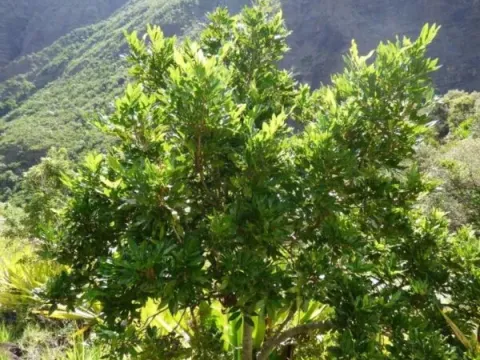
Doratoxylon
Doratoxylon
Doratoxylon is a genus of trees belonging to the Sapindaceae family, primarily native to the islands of the Indian Ocean, including Mauritius and Réunion. These plants are adapted to tropical humid climates and form an integral part of the local evergreen forest ecosystems.
What the section contains

Doratoxylon
The cultivation of Doratoxylon requires fertile, well-drained soil types. They thrive in environments with consistent rainfall and high ambient temperatures, making them highly sensitive to frost or cold stress, which prevents their outdoor cultivation in temperate regions.
Botanically, these trees are recognized by their pinnate leaves and specific reproductive structures typical for the soapberry family. Their wood is known for its density, which reflects their adaptation to compete for space and resources within the dense forest canopy.
In terms of agricultural use, Doratoxylon is rarely cultivated as a commercial crop but serves a critical role in local reforestation efforts and ornamental forestry. Its wood has been historically utilized for construction purposes due to its inherent strength and durability.
To ensure successful growth, it is essential to replicate their natural light conditions. Seedlings benefit from partial shade, while mature specimens require significant exposure to light to maintain their physiological vigor and structural integrity in artificial landscapes.
The primary threats to Doratoxylon health include fungal pathogens that exploit high humidity to infect the root and vascular systems. Proper soil management and ensuring adequate air circulation are critical practices to mitigate these risks in nurseries.
Various insect pests, specifically leaf-feeding beetles and sap-sucking insects, pose a recurring challenge. If left unmanaged, these infestations can lead to significant defoliation, weakening the tree and making it susceptible to secondary environmental stressors.
Habitat degradation is a major threat to wild populations, as the encroachment of invasive species restricts the regeneration of natural stands. Conservationists emphasize the importance of controlled seed propagation to maintain genetic viability for future generations.
Maintenance of canopy health involves regular inspection of leaves and twigs for signs of necrosis or infestation. Early detection of symptoms is crucial for preventing the spread of diseases, especially in confined plantation settings where trees are in close proximity.
Integrated pest management strategies are recommended for the maintenance of Doratoxylon. This includes the use of organic deterrents and the preservation of natural predators, which helps sustain the ecosystem balance within the cultivated area.